This is general information, not financial advice. Your circumstances are unique — always speak to a qualified mortgage broker before making financial decisions. This page may contain affiliate links. Affiliate disclosure · Terms
Structural Defects and Mortgages: Wall Ties, Cracking, and Movement
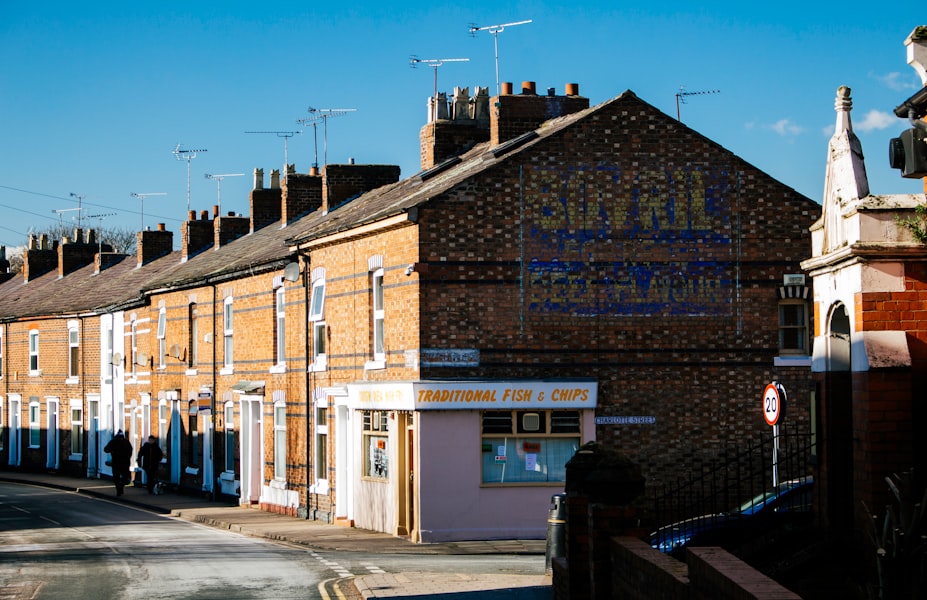
Structural defects cover a wide spectrum — from minor cracking that has been stable for decades to active wall tie failure that could ultimately threaten the integrity of a building. The impact on mortgageability depends on the type of defect, its severity, whether it has been repaired, and the quality of the documentation available. Understanding where your property sits on that spectrum is the starting point.
Types of Structural Defects
Wall Tie Failure
Wall ties are metal connectors that link the inner and outer leaves of a cavity wall, holding them together. Cavity walls became standard in UK housebuilding from roughly the 1920s onwards, and many early wall ties were made from mild steel with inadequate corrosion protection.
As these ties corrode, they expand (rust is larger in volume than the original metal), which can push the mortar courses apart, causing horizontal cracking. In more severe cases, ties can snap entirely, leaving the outer leaf of brickwork unsupported and at risk of bowing or collapse.
Which properties are affected: Primarily properties built between approximately 1920 and 1990 with cavity walls and original iron or steel ties. Black ash mortar, common in this period, is particularly corrosive to ties.
Signs of wall tie failure:
- Horizontal cracking in the mortar courses, often at regular intervals corresponding to the tie positions
- Bowing or bulging of external brickwork
- Cracks at the corners of windows and doors that follow horizontal mortar courses
Repair options: Wall tie replacement involves drilling through the outer leaf of brickwork, removing the failed tie cores, and installing new stainless steel ties with resin anchors. This is a specialist job. Typical costs range from £2,500-8,000 for a standard semi-detached house, rising to £12,000+ for larger or more severely affected properties.
Lintel Failure
Lintels are horizontal structural members that span door and window openings, carrying the weight of the wall above. In older properties, lintels were often made of timber, steel, or concrete. Timber lintels can rot; steel lintels can corrode; poorly designed concrete lintels can crack.
Failed or failing lintels typically produce cracking above window and door openings — often diagonal cracks spreading from the corners of the opening. Repair involves replacing the lintel, which can be straightforward for accessible openings but complex where the opening is large or the structure above is heavily loaded.
Typical costs: £500-2,000 per opening for straightforward replacements, significantly more for large openings or complex structural situations.
Settlement and Differential Movement
Older properties often show evidence of historic movement that has long since stabilised. Stone-built cottages, Victorian terraces, and early twentieth-century housing regularly show evidence of past movement — widened mortar joints, repointed sections, repaired cracks — that reflects normal behaviour over many decades.
The key question is always whether movement is historic and stable or ongoing. A structural engineer can usually determine this through inspection, crack monitoring, or dendrochronological analysis of crack widths over time.
Red flag: Cracks that are wider than 5mm, or that show evidence of recent opening (fresh edges, debris in cracks), suggest ongoing movement that needs investigation before any mortgage will proceed.
Roof Structure Problems
Although the roof structure may not seem structural in the same way as walls and foundations, significant roof defects can affect mortgageability. Common issues include:
- Rafter spread: Where the ridge beam has dropped and the rafters have pushed the top of the walls outward, often visible as bowing at eaves level
- Collar tie removal: Victorian roofs were often modified during conversions, with structural collar ties removed to create more headroom in loft conversions
- Rotting timber: Particularly in older properties without proper ventilation, roof timbers can rot, compromising the structural integrity of the roof
Survey levels matter
A basic mortgage valuation will flag suspected structural issues but will not investigate them. A Level 2 Homebuyer's Report provides more detail but may still recommend further specialist investigation. For any property where structural defects are suspected, a Level 3 Building Survey plus a specialist structural engineer's report is the appropriate starting point.
Survey Red Flags
Surveyors use a traffic light system in RICS reports:
- Condition 1 (green): No repair needed
- Condition 2 (amber): Defects that need repairing but are not urgent
- Condition 3 (red): Serious defects requiring urgent attention
For mortgage purposes, a Condition 3 rating on structural elements will typically result in the lender requiring a specialist report before proceeding, or declining to lend until repairs are complete.
Watch for these specific phrases in survey reports that indicate structural concerns:
- "Further investigation by a structural engineer is recommended"
- "Evidence of past movement — monitoring recommended"
- "Wall tie failure suspected — specialist inspection advised"
- "Movement beyond acceptable tolerances"
- "Not able to confirm structural integrity without further investigation"
Any of these phrases effectively pauses the mortgage process until more information is available.
The Structural Engineer's Report
If a structural defect is identified, a structural engineer's report is the next step. This is produced by a chartered structural engineer (MIStructE or CEng) and provides a professional opinion on:
- The nature and cause of the defect
- Its severity and whether it is likely to worsen
- Recommended repairs
- The property's structural integrity overall
Cost: £500-1,500 for a standard residential report, more for complex investigations or where monitoring is required.
The report may recommend:
Immediate repair: The defect is significant and the engineer recommends remediation before the property changes hands.
Monitoring: The defect appears stable but the engineer recommends periodic monitoring (typically crack gauges checked every 6-12 months) to confirm stability. Lenders can be cautious about properties under active monitoring.
No action required: The defect is minor, historic, and stable. This is the best possible outcome for mortgage purposes.
Repair Options and Costs
Wall Tie Replacement
As noted above, this is a specialist job. Reputable companies include Safeguard Europe and various CSRT (Certificated Surveyor in Remedial Treatment) members. A 10-year guarantee on the work is standard and should be obtained. Some lenders and insurers require this guarantee to be backed by a deposit protection scheme.
Cost range: £2,500-12,000 depending on property size and extent of failure.
Crack Stitching and Repointing
Where cracking has occurred in brickwork or stonework, structural crack stitching involves routing out the mortar in horizontal courses and installing stainless steel helical bars set in resin. This ties the masonry together across the crack, preventing further opening.
Cost range: £500-3,000 depending on the extent of cracking.
Underpinning
Where movement is foundation-related, underpinning may be required. See our detailed guide on subsidence and underpinning for more on this specific topic.
Lintel Replacement
Typically carried out by a specialist contractor. The opening must be temporarily propped before the old lintel is removed and the new one installed. Standard steel lintels are inexpensive; the cost is mainly in the labour and disruption.
Cost range: £500-2,500 per opening.
Roof Structure Repairs
Where rafter spread has occurred, the ridge can be restrained and the rafters tied back. Where collars have been removed from a loft conversion, structural engineers often design a replacement solution using steel sections. Costs vary widely depending on the situation: £2,000-15,000+.
Always get a guarantee
Any structural repair work should come with a written guarantee from the contractor — typically 10-25 years. The guarantee should be assignable to future owners (this is standard practice) and ideally backed by a deposit protection scheme so it remains valid even if the contractor goes out of business.
Which Lenders Accept Repaired Properties?
The position depends on the nature of the defect and the quality of the repair documentation:
After Satisfactory Repair with Full Documentation
Many mainstream lenders will consider properties where structural defects have been properly repaired and documented. The key documents they want to see are:
- The original structural engineer's report identifying the problem
- The specification for the repair works
- A contractor's completion certificate
- A guarantee on the works
- A follow-up structural engineer's confirmation that the works were carried out to specification
Halifax, Nationwide, NatWest, and Santander will typically consider such properties, though they may require their own surveyor to confirm the repair quality.
Where Documentation Is Incomplete
If repair works were done but paperwork is missing — a common situation with older properties — mainstream lenders will typically decline. Options include:
- Specialist lenders such as Together, Precise, and Shawbrook, who assess cases individually
- Indemnity insurance — in some cases (particularly minor defects), a specialist indemnity policy can substitute for missing documentation
- Obtaining retrospective documentation — sometimes a structural engineer can inspect completed works and confirm their adequacy, effectively creating the missing documentation
Before Repair
Most lenders will not lend on a property with an unresolved, active structural defect. Options are:
- Cash purchase — avoids the lender issue entirely
- Bridging finance — buy with a short-term loan, repair, then remortgage onto a standard product
- Negotiating a price reduction — buy at a significant discount reflecting the cost and risk of repair
Sell your property
Need to sell a property with structural defects?
SellTo helps UK homeowners sell any property quickly — cash purchase or auction, no fees to you, and a straightforward process. Get a free, no-obligation offer.
Get a free cash offer →We may earn a commission if you use this service. Affiliate disclosure
What Happens at Valuation
When a lender's surveyor inspects a property with structural defects, the typical outcomes are:
Refer to structural engineer: The most common outcome. The mortgage offer is paused pending a structural engineer's report.
Retention: The lender offers the mortgage but holds back a sum (typically £5,000-15,000) until repairs are confirmed as complete.
Decline: Where the defects are severe, not yet investigated, or where the lender has a blanket policy against the property type.
Down-valuation: The surveyor values the property below the agreed price, reflecting the cost of repairs and reduced market appeal.
Impact on Property Value
Unrepaired structural defects typically reduce property values by 10-30% depending on severity. This discount can be larger where the defect is well-known (e.g., widespread wall tie failure visible from the street) or where it creates significant uncertainty about future costs.
After proper repair with documentation, the discount reduces substantially — often to 5-10% — because the risk has been removed but the stigma remains for some buyers. Over time, even this tends to diminish as memories fade and documentation reassures subsequent buyers.

Practical Checklist
Before proceeding with any property where structural defects have been identified or suspected:
- Obtain a Level 3 building survey from a RICS-chartered surveyor
- Commission a structural engineer's report if any concerns are identified
- Get quotes from at least two specialist repair contractors
- Confirm that the repair contractor is a member of a relevant trade body (CSRT for damp and structural repairs, for example)
- Ensure any guarantee is assignable and backed by a deposit protection scheme
- Engage a specialist mortgage broker who knows which lenders accept the specific defect type
- Obtain buildings insurance quotes — some structural defects make standard cover harder to obtain
- Factor the full repair cost into your purchase price calculation, not just the list price
Specialist brokers
Brokers who handle structural defects
These services are free to use — the lender pays them, not you. We may earn a commission if you use their services.
Habito
Digital-first, all situations — 90+ lenders
John Charcol
Established whole-of-market broker since 1974
Boon Brokers
Fee-free broker, all situations including adverse credit
All brokers presented equally. Not a personal recommendation. Affiliate disclosure
This is educational content, not financial advice. Your situation is unique — speak to a qualified structural engineer and a specialist mortgage broker before making any decisions.
Related reading
Subsidence and Underpinning: Can You Still Get a Mortgage?
How subsidence and underpinning history affects UK mortgages. Understand what lenders look for, which specialist lenders accept it, and how to protect your position.
Damp, Rot, and Woodworm: How They Affect Your Mortgage
How damp, dry rot, wet rot, and woodworm affect UK mortgages. Understand what surveyors flag, treatment options, guarantees, and mortgageability after treatment.
Concrete Construction Mortgages (Wimpey No-Fines, Airey, etc.)
Getting a UK mortgage on a concrete construction home — Wimpey No-Fines, Airey, Reema, Cornish Unit, and more. PRC certificates, remediation, and lending options.

Specialist Mortgage Lenders UK: Who Are They?
Who are the specialist mortgage lenders in the UK? A comprehensive guide to lenders who help with bad credit, self-employment, and non-standard situations.
Not sure about your mortgage options?
Find out your options — whether it's your circumstances or your property holding you back. Free, no judgement, no cold calls.
Get my free results