This is general information, not financial advice. Your circumstances are unique — always speak to a qualified mortgage broker before making financial decisions. This page may contain affiliate links. Affiliate disclosure · Terms
Subsidence and Underpinning: Can You Still Get a Mortgage?
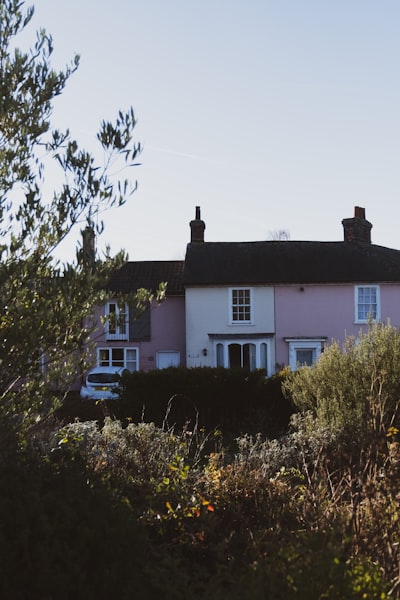
Subsidence is one of the words that makes buyers, sellers, and lenders nervous in equal measure. The reality is more nuanced than the fear. Many properties with a history of subsidence — including those that have been underpinned — can be mortgaged, insured, and sold. But it requires the right documentation, the right lender, and a clear understanding of what you are dealing with.
What Is Subsidence?
Subsidence occurs when the ground beneath a property sinks, causing the foundations to move. This movement can crack walls, distort door frames, and in severe cases compromise the structural integrity of a building.
Subsidence is different from settlement, which is normal gradual movement as a building beds into the ground after construction. Subsidence involves ongoing or sudden ground movement that exceeds what the structure was designed to accommodate.
Causes of Subsidence
The most common causes in the UK include:
Tree roots: The most frequent cause. Trees — particularly willows, oaks, and poplars — draw moisture from clay soils, causing the soil to shrink and the ground to sink. This is why subsidence claims spike in dry summers.
Clay soils: Much of southern England sits on shrinkable clay. In dry conditions, clay shrinks; in wet conditions, it expands (heave). This seasonal movement can stress foundations.
Leaking drains: Underground leaks wash away the fine particles in soil, creating voids beneath foundations.
Mining legacy: Historical mining activity can leave voids that collapse decades later. See our separate guide on mining subsidence.
Poorly made ground: Sites where ground was previously filled (former quarries, waste tips, made ground) can be unstable.
Inadequate foundations: Older properties often have shallow foundations that are vulnerable to ground movement.
Subsidence vs settlement vs heave
These terms are often confused. Subsidence is downward movement of the ground. Settlement is normal and expected. Heave is upward movement — the opposite of subsidence — and is less common but can be equally damaging. Getting the diagnosis right matters because the treatment (and therefore the mortgage implications) differs.
How Surveyors and Lenders Identify Subsidence
During a property survey, the surveyor will look for the telltale signs of subsidence:
Cracking patterns: Subsidence typically produces diagonal cracks, often wider at the top than the bottom. They tend to appear at points of weakness — window and door corners, joints between extensions and original structures.
Door and window distortion: Frames that have dropped or twisted, making doors and windows difficult to open or close.
Rippling wallpaper or plaster: Internal decoration that shows undulation, particularly near corners and door frames.
Gaps between walls and ceilings or floors: Separation at junctions suggests differential movement.
If a surveyor spots these signs, they will almost certainly flag the property for further investigation by a structural engineer. The mortgage valuation will be noted as "subject to further investigation" or similar, effectively pausing the process until more information is available.
The Role of the Structural Engineer
A structural engineer's report is the key document in any subsidence situation. This is different from a standard RICS homebuyer's report — it is a specialist assessment by a qualified engineer who investigates the cause and extent of any movement.
The report will typically cover:
- The cause of the ground movement
- The extent of structural damage
- Whether the movement is ongoing or historic
- Recommendations for repair (if needed)
- A conclusion on the property's structural integrity
The cost of a structural engineer's report typically ranges from £500 to £1,500 for a residential property, depending on the size of the property and the complexity of the investigation. For significant subsidence cases, monitoring over a period of months may be recommended before the engineer can give a definitive opinion — this is known as "crack monitoring."
Underpinning Explained
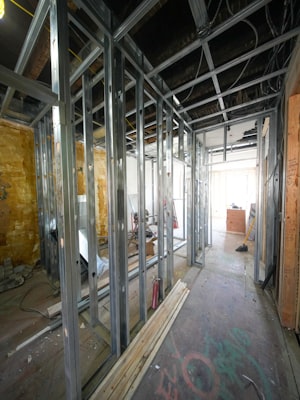
Underpinning is the most common structural remedy for subsidence. It involves strengthening or replacing the existing foundations to provide more stable support for the building.
Types of Underpinning
Mass concrete underpinning (traditional pit method): The original and most common approach. Excavations are made in sections beneath the existing foundations, and concrete is poured to create a deeper, more stable foundation. Cost: typically £10,000-30,000 for a standard semi-detached house.
Beam and base underpinning: Reinforced concrete beams are installed beneath the foundations to spread the load. Used where the ground conditions make traditional underpinning impractical.
Mini-piled underpinning: Steel piles are driven deep into stable ground, bypassing the problematic soil layers. More expensive but effective in complex ground conditions. Cost: £20,000-50,000+.
Resin injection: A relatively modern technique where expanding resin is injected into the ground to stabilise it. Faster and less disruptive than traditional underpinning, though not suitable for all situations. Cost: £5,000-15,000.
What Underpinning Documentation You Need
If a property has been underpinned, the mortgage application will need:
- The original subsidence/structural engineer's report — confirming the cause and extent of the problem
- The specification for the underpinning works — detailing exactly what was done
- A completion certificate from a structural engineer — confirming the works were carried out to specification
- Insurance claim records — most underpinning is done through an insurance claim; records help lenders understand the history
- Buildings insurance history — confirming the property remained insured throughout
Get the paperwork before you offer
The most common problem in subsidence transactions is discovering that the paperwork is incomplete or unavailable. Ask the seller or their solicitor for all subsidence-related documents before you commit. If the seller cannot provide a structural engineer's completion certificate, treat this as a serious red flag.
Which Lenders Accept Properties with Subsidence History?
Mainstream lenders are generally cautious about properties with subsidence history, particularly where:
- The movement was recent (within the last 10-15 years)
- The cause has not been fully resolved (e.g., the tree that caused the problem is still there)
- The underpinning was not done to an approved specification
- The documentation is incomplete
However, a number of specialist lenders have experience with subsidence properties and can consider applications that mainstream lenders decline:
Precise Mortgages — has underwritten subsidence cases with satisfactory structural reports.
Together Money — considers non-standard property types including underpinned properties.
Shawbrook Bank — experienced with complex property cases.
West One — will look at subsidence histories on a case-by-case basis.
Some regional building societies — particularly those in areas where subsidence is common (clay belt areas of southern England, coalfield areas) may have more experience and appetite.
The terms for these mortgages typically involve a higher deposit (20-25% is common) and rates above standard market rates, reflecting the additional risk assessment involved.
Buildings Insurance After Subsidence
This is often the biggest practical hurdle. If a property has made a subsidence claim, the insurer will note this on the CLUE database (Claims and Underwriting Exchange), and future insurers will see it.
Standard home insurers will often decline to offer subsidence cover (or will exclude subsidence from the policy) on properties with previous claims.
Specialist insurers who handle non-standard risks — including Adrian Flux, HomeProtect, and some Lloyd's of London syndicates — may offer cover, often with:
- Higher premiums (typically 50-200% above standard rates)
- Larger excesses for subsidence claims (£1,000-5,000+)
- Exclusions for areas or causes already addressed
The existing insurer is sometimes a strong starting point. If the previous insurer handled the subsidence claim and supervised the underpinning, they may be willing to continue cover, sometimes at reasonable rates. This is worth exploring before approaching new insurers.
Mortgage lenders require buildings insurance to be in place before they will complete. If insurance is genuinely unavailable, the mortgage cannot proceed — so sorting insurance early in the process is essential.
Impact on Property Value
The value impact of subsidence depends heavily on the circumstances:
Fully resolved with clear documentation: Where the cause has been addressed, underpinning has been properly carried out, and the structural engineer confirms the building is stable, the value impact may be relatively modest — perhaps 5-15% below equivalent properties without subsidence history.
Resolved but with ongoing monitoring recommended: If the engineer recommends periodic monitoring (common for clay soil properties), buyers and lenders will factor in some ongoing uncertainty. Value impact typically 10-20%.
Cause not fully resolved: For example, a tree that contributed to subsidence but has not been removed. Most lenders will not proceed, and the discount to achieve a cash sale can be 20-35% or more.
Recent or active subsidence: An unsettled claim or ongoing movement makes conventional mortgaging almost impossible until the situation is fully resolved.
Practical Steps if You Are Buying a Property with Subsidence History
- Request all documentation from the seller — structural engineer reports, completion certificates, insurance history, any guarantees on the underpinning works
- Commission your own structural engineer — even if documentation exists, an independent assessment gives you and your lender confidence
- Check the cause is fully resolved — confirm the tree has been removed, the drains repaired, or whatever caused the movement has been addressed
- Obtain insurance quotes before proceeding — do not assume insurance will be available; get quotes early so you know the cost
- Use a specialist mortgage broker — they will know which lenders are currently active in the subsidence market and save you time and application fees
- Factor in the long-term — consider future saleability, particularly if you plan to sell in the short to medium term
Practical Steps if You Are Selling a Property with Subsidence History
- Gather all paperwork — the more complete your documentation, the easier the transaction
- Obtain a structural engineer's report proactively — buyers and their lenders will need one, so having it ready speeds the process
- Disclose honestly — sellers are required to disclose known material defects; failure to disclose can expose you to legal claims later
- Consider your buyer pool — cash buyers and investor buyers may be interested even where mortgage lenders are cautious
- Price realistically — a property with subsidence history marketed at full market value will struggle; price to attract serious buyers rather than to achieve an aspirational figure
If the subsidence history makes mortgage approval unlikely, selling directly for cash may be the fastest route. SellTo offers free cash valuations with no fees to the seller.(affiliate)
What Happens at Valuation
When a mortgage lender's surveyor values a property with subsidence history, they will note the history in their report and are likely to recommend a "retention" or "subject to further report" condition on the mortgage offer.
A retention means the lender releases the bulk of the mortgage funds but holds back a sum (often £5,000-15,000) until a satisfactory structural report is received. This is common where the mortgage valuation identifies subsidence but the full picture is not yet clear.
A "subject to structural engineer's report" condition means the mortgage offer is provisional — it will not convert to a formal offer until the lender receives and approves the structural report. The report needs to confirm the property is structurally sound and the risk is acceptable to the lender.
Guarantees and Warranties
Some underpinning work comes with a structural guarantee — typically 10-25 years — issued by the underpinning contractor or backed by a specialist warranty provider. These guarantees can be helpful for both insurance and mortgage purposes, but they have limitations:
- They are only as good as the contractor who issued them (check the company still exists)
- They typically cover workmanship, not future ground movement from new causes
- Lenders vary in how much weight they give to these guarantees — a structural engineer's completion certificate is usually more useful
If a guarantee exists, obtain a copy and provide it to your solicitor and mortgage broker.
Specialist brokers
Brokers who handle subsidence or underpinning history
These services are free to use — the lender pays them, not you. We may earn a commission if you use their services.
Habito
Digital-first, all situations — 90+ lenders
John Charcol
Established whole-of-market broker since 1974
Boon Brokers
Fee-free broker, all situations including adverse credit
All brokers presented equally. Not a personal recommendation. Affiliate disclosure
This is educational content, not financial advice. Your situation is unique — speak to a qualified structural engineer and a specialist mortgage broker before making any decisions. If you are selling, legal advice from a conveyancer experienced in complex property transactions is also advisable.
Related reading
Structural Defects and Mortgages: Wall Ties, Cracking, and Movement
How structural defects like wall tie failure, cracking, and building movement affect UK mortgages. Survey red flags, repair costs, and which lenders accept repaired properties.
Damp, Rot, and Woodworm: How They Affect Your Mortgage
How damp, dry rot, wet rot, and woodworm affect UK mortgages. Understand what surveyors flag, treatment options, guarantees, and mortgageability after treatment.
Mining Subsidence and Mortgages: What You Need to Know
How historic and active mining affects UK mortgages. Coal Authority reports, which lenders accept mining risk, insurance considerations, and practical advice for buyers and sellers.

Specialist Mortgage Lenders UK: Who Are They?
Who are the specialist mortgage lenders in the UK? A comprehensive guide to lenders who help with bad credit, self-employment, and non-standard situations.
Not sure about your mortgage options?
Find out your options — whether it's your circumstances or your property holding you back. Free, no judgement, no cold calls.
Get my free results