This is general information, not financial advice. Your circumstances are unique — always speak to a qualified mortgage broker before making financial decisions. This page may contain affiliate links. Affiliate disclosure · Terms
Timber Frame House Mortgage: Who Lends?
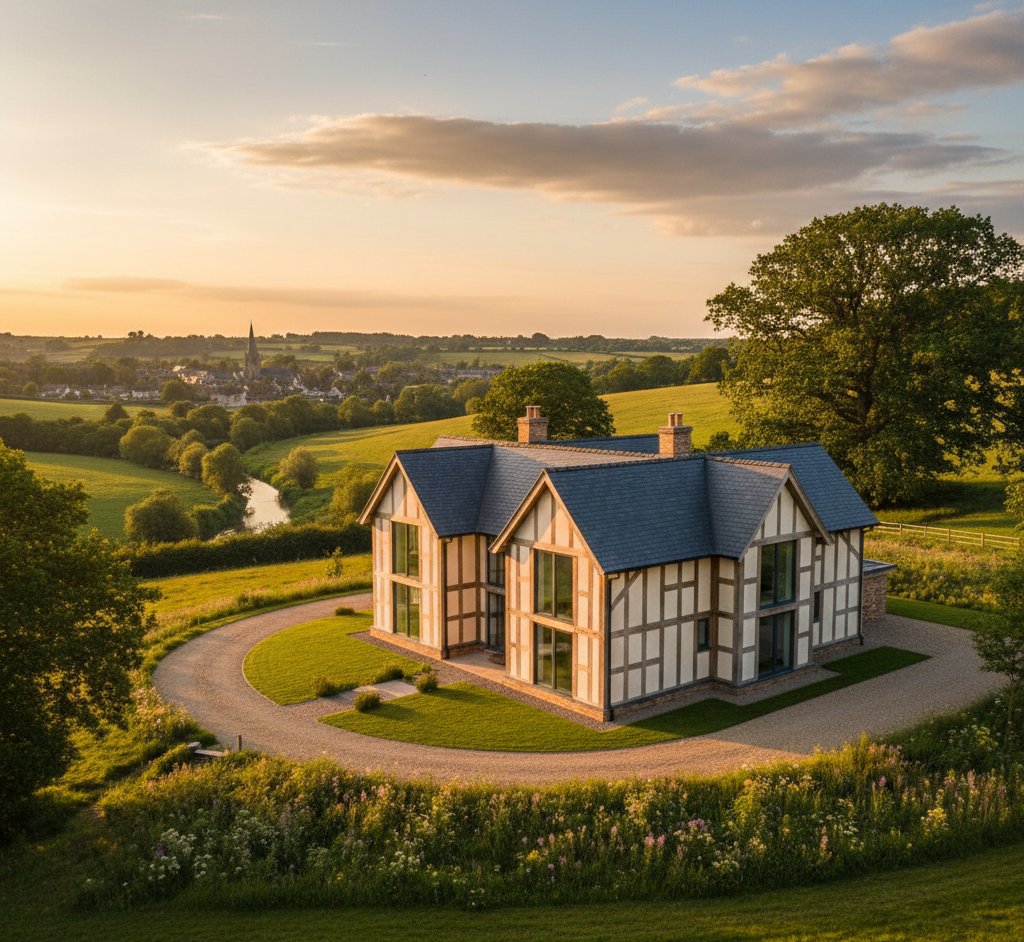
Timber frame construction accounts for a growing share of UK new-builds and has been used in British housing for centuries. Getting a mortgage on a timber frame property is generally straightforward — but the age, type, and condition of the timber frame all matter.
Types of Timber Frame in the UK
Modern Timber Frame (Post-1980s)
Modern timber frame construction uses engineered timber panels manufactured off-site and assembled on-site, typically clad in brick, render, or other materials. From the outside, many timber frame houses look identical to traditionally built homes.
This construction method is common in Scotland (where over 80% of new homes are timber frame) and increasingly popular across England and Wales. Major housebuilders including Stewart Milne, Springfield, and many others use timber frame.
Mortgage availability: Excellent. Virtually all mainstream lenders accept modern timber frame construction without any issues.
Traditional Timber Frame (Pre-20th Century)
Older timber frame houses — Tudor, Elizabethan, and other historic buildings with visible timber framing — are a different proposition. These are often listed buildings and use traditional construction techniques that require specialist maintenance.
Mortgage availability: Good for well-maintained properties. Some lenders may require a specialist structural survey. If the property is listed, the listing considerations apply as well.
Post-War Timber Frame (1940s-1970s)
Some post-war housing used timber frame construction methods that are now considered non-standard. These can sometimes be confused with other non-standard construction types and may require additional assessment.
Mortgage availability: Variable depending on the specific construction system and condition.
Why Lenders Used to Be Cautious
Historically, timber frame attracted more lender scrutiny because of concerns about:
Fire Risk
Timber is combustible, and early timber frame buildings sometimes had concerns about fire spread through cavities. Modern timber frame construction includes fire barriers and meets current Building Regulations for fire safety. This is largely a resolved concern for modern buildings.
Moisture and Rot
If moisture gets into the timber frame (through poor construction, missing vapour barriers, or defective cladding), it can cause rot. This is the primary ongoing concern for lenders. A well-constructed and maintained timber frame house should not have moisture problems.
Longevity
Some people question whether timber frame houses will last as long as brick-built properties. In reality, properly maintained timber frame buildings can last centuries (as evidenced by the many Tudor buildings still standing).
The external cladding matters
Many modern timber frame houses have a brick outer skin, making them visually indistinguishable from traditionally built properties. The lender's surveyor will need to confirm the construction type, but brick-clad timber frame is the easiest to mortgage.
Which Lenders Accept Timber Frame?
Modern Timber Frame
Virtually all mainstream lenders, including:
- Halifax, Nationwide, NatWest, Barclays, Santander
- All major building societies
- Specialist lenders
There is no meaningful restriction on modern timber frame from major lenders.
Older/Historic Timber Frame
Most mainstream lenders will consider these, subject to:
- A satisfactory structural survey
- Evidence that the property is in good condition
- Appropriate insurance in place
If the property is also listed, lender criteria for listed buildings apply.
Non-Standard Post-War Timber Frame
Fewer mainstream lenders; you may need:
- A specialist lender experienced with non-standard construction
- A detailed structural survey confirming the property's condition
- Potentially a larger deposit
BISF houses
British Iron and Steel Federation (BISF) houses are a specific type of post-war construction with a steel frame and timber infill panels. These are often categorised as non-standard and require specialist lenders. Do not confuse these with standard timber frame — they are a different construction type entirely.
Surveys and Reports
For Modern Timber Frame
A standard mortgage valuation is usually sufficient, though a HomeBuyer Report is recommended for your own protection. The surveyor should confirm:
- The construction type
- The condition of the external cladding
- Any visible signs of moisture issues
- The general state of repair
For Older Timber Frame
A full Building Survey (Level 3) is strongly recommended. This should assess:
- The condition of the timber frame (rot, insect damage, structural movement)
- The effectiveness of any damp-proofing
- Previous repairs or alterations
- The condition of any infill panels (wattle and daub, brick, etc.)
- The roof structure and condition
Specialist Reports
Depending on the survey findings, you may need:
- A timber and damp specialist report
- A structural engineer's assessment
- An entomologist's report (if insect damage is suspected — woodworm, deathwatch beetle)
Insurance Considerations
Timber frame houses can be insured by most mainstream insurers, though premiums may be slightly higher (5-15%) than for brick-built properties. For older timber frame homes, specialist insurers may offer better terms.
Key insurance points:
- Rebuild costs should reflect the actual construction method
- Some insurers ask specifically about timber frame construction
- Historic timber frame with thatched roof will be more expensive to insure
Typical Extra Costs
For modern timber frame: minimal or no extra costs compared to a standard brick-built property.
For older timber frame:
- Building survey: £600-1,500
- Specialist timber report: £200-500
- Insurance premium: 5-15% above standard rates
- Maintenance: Ongoing costs for preserving the timber, particularly on exposed historic buildings
Practical Advice
- Establish the exact construction type — "timber frame" covers a wide range of methods; the specifics matter
- For modern timber frame, do not overpay for a specialist mortgage product; standard products should be available
- For older timber frame, invest in a thorough survey from a surveyor experienced with historic buildings
- Check for moisture — look for signs of damp, condensation, or staining on interior walls
- Ask about the NHBC warranty — many modern timber frame homes are covered by NHBC or similar warranties
- Check the external cladding — the condition of the outer skin (brick, render, timber boarding) is critical for protecting the frame beneath
What the Valuer Looks For
When a surveyor values a timber frame property for mortgage purposes, the assessment varies significantly depending on the age and type of construction:
Modern Timber Frame

For modern timber frame homes, the survey is largely the same as for a brick-built property. The surveyor confirms:
- The construction type (from visual inspection and property documents)
- The condition of the external cladding (brick, render, or timber boarding)
- Any visible signs of moisture issues (staining, mould, condensation)
- The overall standard of maintenance
- NHBC or equivalent warranty status
Modern timber frame rarely causes any valuation concerns.
Traditional/Historic Timber Frame
For older timber frame buildings, the surveyor conducts a more detailed assessment:
- Timber condition: Looking for rot (wet rot and dry rot), insect damage (woodworm, deathwatch beetle), and structural deterioration
- Frame movement: Older timber frames move and settle over time. Some movement is normal and expected; the surveyor assesses whether movement is historical (stable) or ongoing (concerning)
- Infill panels: The material between the timber frame members (wattle and daub, brick, plaster) and its condition
- Previous repairs: Whether past repairs have been done sympathetically and to an appropriate standard
- Dampness: Checking moisture levels in the timber, particularly at ground level and at junctions with masonry elements
Post-War Timber Frame
For post-war timber frame properties, the surveyor focuses on:
- The specific construction system used
- The condition of any treated or untreated timber
- Moisture barriers and insulation
- Whether the construction meets the standards expected for its type and age
Insurance in Detail
Modern Timber Frame Insurance
Modern timber frame homes can be insured by virtually all mainstream home insurance providers. Premiums are comparable to brick-built properties, and there is no meaningful additional cost or restriction. Some insurers ask about the construction type on application, but answering "timber frame" for a modern property does not result in any penalty.
Historic Timber Frame Insurance
Insuring an older timber frame property costs more, for several reasons:
- Rebuild costs are higher because specialist materials and craftspeople are needed
- Fire risk is perceived as higher (though properly maintained timber frame buildings are not particularly fire-prone)
- Subsidence risk may be elevated if the building has shallow or no foundations
- Specialist materials (like lime plaster, handmade bricks, and period timbers) increase repair costs
Specialist insurers for historic timber frame include:
- NFU Mutual: Extensive experience with rural and traditional properties
- Hiscox: Covers high-value and unusual properties
- Ecclesiastical: Strong heritage property portfolio
- Listed Property Owners Club (LPOC): If the property is also listed
Premiums for well-maintained historic timber frame properties are typically 30-100% higher than for modern equivalents. If the property is also listed or has a thatched roof, the premium increases further.
Regional Variations
Timber frame construction is found across the UK, but its prevalence and type vary by region:
Scotland
Scotland is the UK's timber frame capital. Over 80% of new homes in Scotland are timber frame, and the construction method is fully mainstream. Scottish lenders, surveyors, and insurers all treat timber frame as standard construction. If you are buying a modern timber frame house in Scotland, expect no mortgage complications whatsoever.
East Anglia and the South East
East Anglia and the South East have significant numbers of historic timber frame buildings — Tudor, Elizabethan, and medieval properties with visible timber framing. These are often listed and command premium prices. Local surveyors in Suffolk, Essex, Kent, and Sussex are typically experienced with this building type.
The West Midlands and Herefordshire
The Welsh Marches (Herefordshire, Shropshire) and parts of the West Midlands are known for black-and-white timber frame buildings. These distinctive properties are popular with buyers and well-understood by local lenders and valuers.
The North of England
Historic timber frame buildings become rarer as you move north, where stone construction was more common. However, modern timber frame new-builds are increasingly common in northern developments. The mix of construction methods means northern surveyors are typically experienced with modern timber frame but may be less familiar with historic types.
Wales
Parts of Wales, particularly the border counties, have historic timber frame buildings similar to those in the Marches. Modern timber frame is also growing in popularity in Wales.
Edge Cases and Unusual Situations
Timber Frame with Cavity Closures
A small number of modern timber frame homes built in the 1980s and 1990s had issues with cavity closure — where the ventilated cavity between the timber frame and the outer brick skin became blocked or was poorly constructed. This can cause moisture to accumulate against the timber, leading to rot. Lenders are generally aware of this issue for specific developments, and a survey should identify any problems.
SIPs (Structural Insulated Panels)
SIPs construction uses panels made of an insulating foam core sandwiched between two structural boards (often OSB — oriented strand board). It is a form of timber-based construction that is growing in popularity for energy-efficient homes. Most mainstream lenders accept SIPs construction, particularly with NHBC or equivalent warranty. However, some lenders still classify it as non-standard, so check before applying.
Cross-Laminated Timber (CLT)
CLT is an engineered wood product used in modern construction, including for multi-storey buildings. It is accepted by most lenders who understand it, but its relative novelty means that some automated lending systems may flag it. A broker can navigate this.
Log Cabin Construction
True log cabin construction (using interlocking logs as the wall structure) is rare in the UK but does exist. Most mainstream lenders classify this as non-standard and may decline it. Specialist lenders like Ecology Building Society may consider it with a detailed survey.
Oak Frame with Green Oak
Some self-built and bespoke homes use green (unseasoned) oak frame construction. Green oak shrinks and moves as it dries, which is a normal part of the construction process but can alarm surveyors unfamiliar with the method. A surveyor experienced with green oak frame construction can provide a balanced assessment that reassures the lender.
Timber Frame with Flat Roof
Timber frame houses with flat roofs can attract additional scrutiny because flat roofs have a shorter lifespan than pitched roofs and are more prone to leaks. If the flat roof is well-maintained and in good condition, most lenders will proceed. If it needs replacement, the lender may require the work to be done first.
Before-and-After Scenarios
Scenario 1: Modern Timber Frame (Standard)
A 2018-built timber frame detached house in Scotland with brick outer skin, NHBC warranty, and full Building Regulations sign-off. Result: Accepted by all mainstream lenders without any restrictions. Standard deposit, standard rates, standard insurance. The timber frame construction is a complete non-issue.
Scenario 2: Tudor Timber Frame (Listed)
A Grade II listed Tudor cottage in Suffolk with exposed timber frame, wattle and daub infill, and a pantile roof. Well-maintained with recent specialist surveys. Result: Most mainstream lenders will consider. A Building Survey (Level 3) from a surveyor experienced with historic buildings is essential. Insurance from a specialist provider at approximately double standard rates. The listing is a bigger factor than the timber frame.
Scenario 3: 1970s Timber Frame (Post-War)
A 1970s timber frame bungalow with rendered exterior. Original construction, no specific survey history. Result: Some mainstream lenders will consider subject to a satisfactory structural survey. Others may decline or require a specialist lender. A detailed survey from an engineer experienced with post-war construction is needed to confirm the timber condition and identify any moisture issues.
The Bottom Line
Timber frame is a mainstream construction method in the UK, and getting a mortgage on a timber frame house should not be a significant challenge — particularly for modern properties. The construction method is well understood by lenders, insurers, and surveyors, and millions of people live happily in timber frame homes across the country.
For older timber frame properties, the extra due diligence is worthwhile. A thorough survey will give you and your lender confidence in the property's condition, and specialist knowledge ensures any issues are properly addressed.
If timber-frame construction is restricting lender choice, selling directly for cash may be the fastest route. SellTo offers free cash valuations with no fees to the seller.(affiliate)
Specialist brokers
Brokers who handle non-standard construction
These services are free to use — the lender pays them, not you. We may earn a commission if you use their services.
Habito
Digital-first, all situations — 90+ lenders
John Charcol
Established whole-of-market broker since 1974
Boon Brokers
Fee-free broker, all situations including adverse credit
All brokers presented equally. Not a personal recommendation. Affiliate disclosure
This is educational content, not financial advice. Your situation is unique — speak to a qualified mortgage broker before making any decisions.
Related reading
Steel Frame House Mortgage
Getting a UK mortgage on a steel frame house. Learn about BISF homes, modern steel frame, corrosion concerns, and which lenders accept this construction.
Concrete Construction Mortgages (Wimpey No-Fines, Airey, etc.)
Getting a UK mortgage on a concrete construction home — Wimpey No-Fines, Airey, Reema, Cornish Unit, and more. PRC certificates, remediation, and lending options.
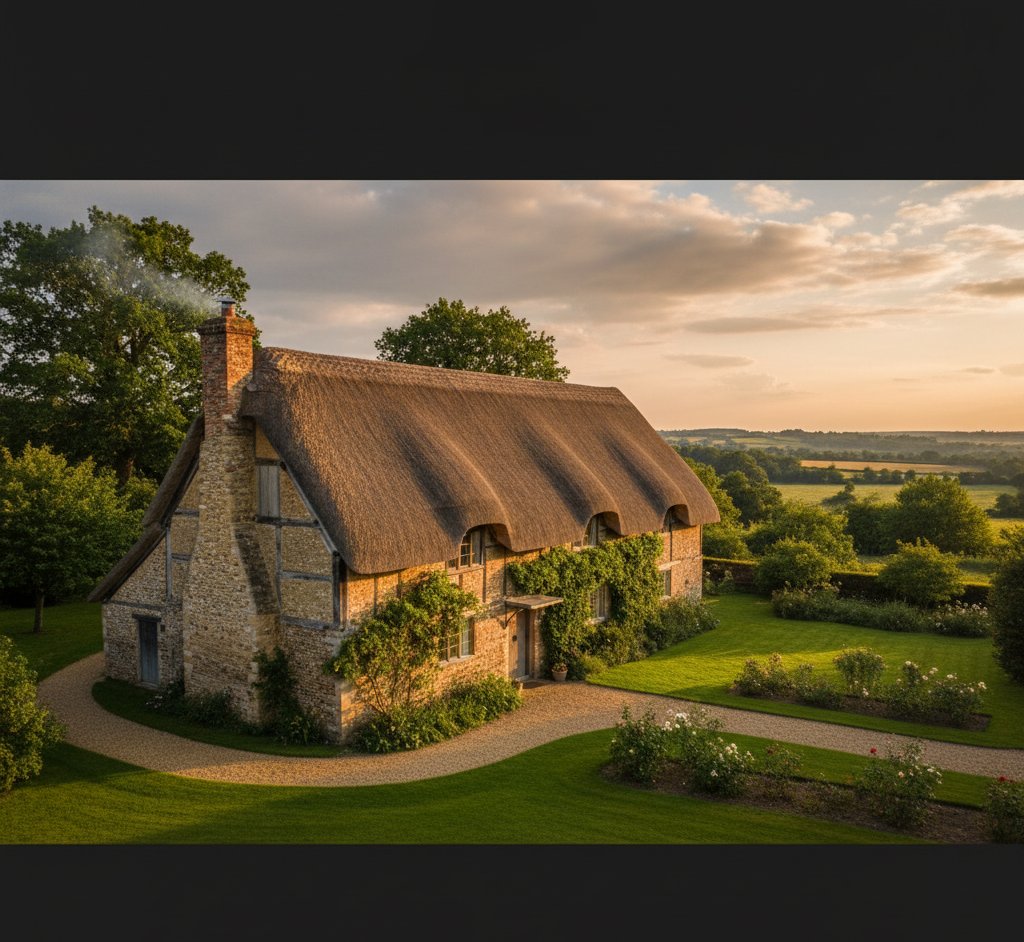
Thatched Roof Mortgage: Specialist Lending
Getting a UK mortgage on a thatched roof property. Fire risk, insurance costs, maintenance budgets, and which lenders accept thatched cottages.
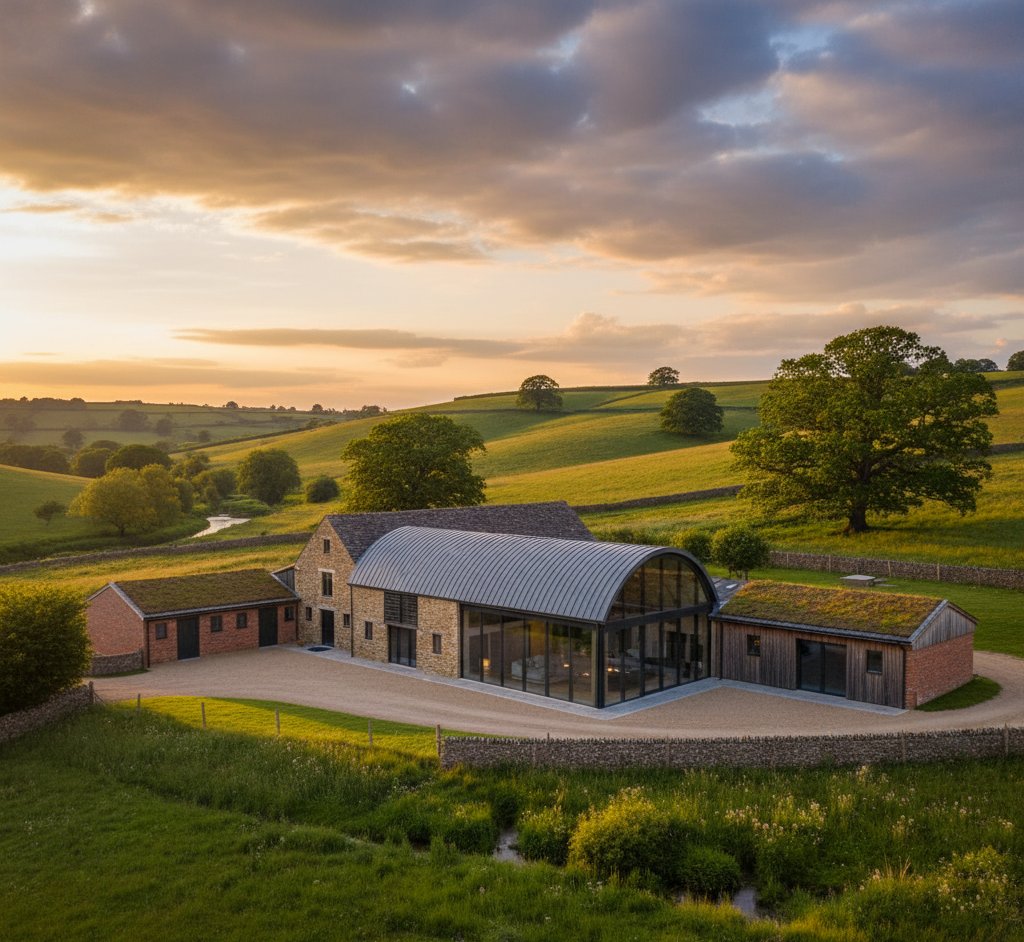
Non-Standard Construction Mortgages: What Counts and Who Lends?
UK guide to mortgages on non-standard construction homes. Timber frame, concrete, PRC, thatched — which lenders accept what and what surveys you need.
Not sure about your mortgage options?
Find out your options — whether it's your circumstances or your property holding you back. Free, no judgement, no cold calls.
Get my free results