This is general information, not financial advice. Your circumstances are unique — always speak to a qualified mortgage broker before making financial decisions. This page may contain affiliate links. Affiliate disclosure · Terms
Mortgage on a Property with an Annexe or Outbuilding
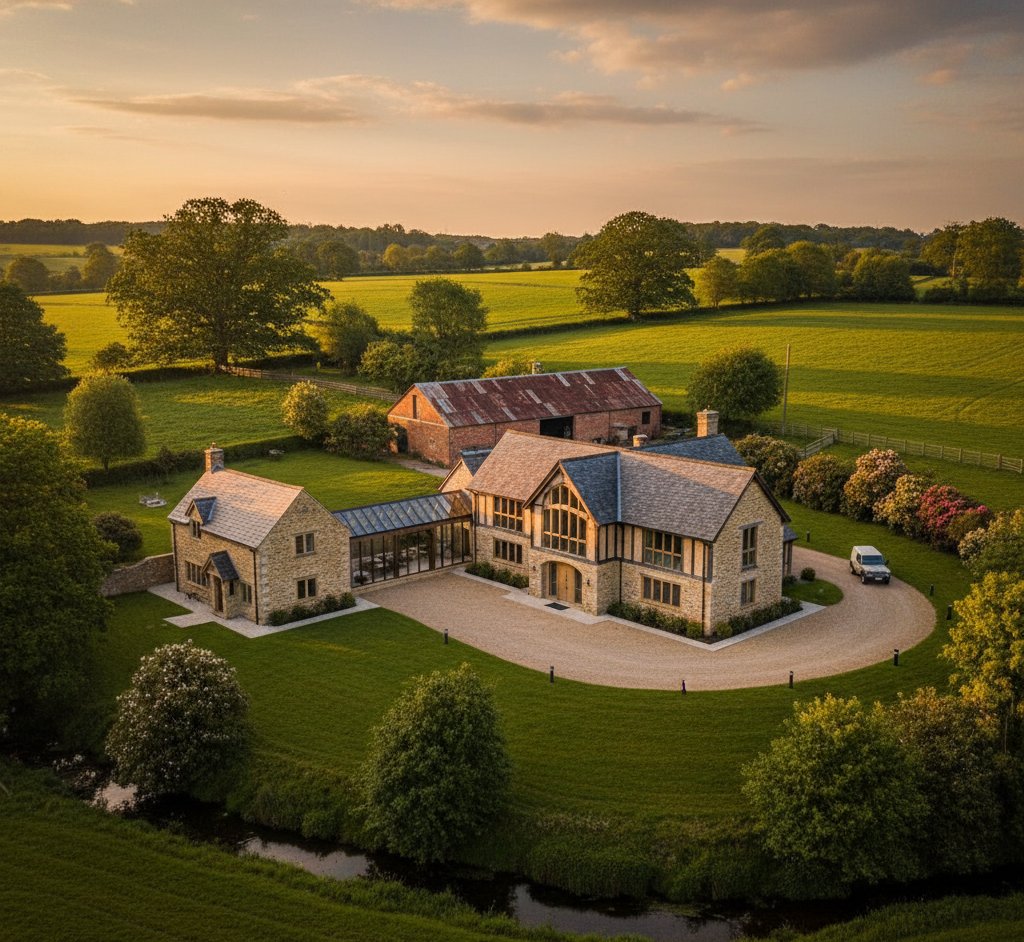
Properties with annexes, outbuildings, converted garages, and garden offices are becoming increasingly common in the UK. Multigenerational living, working from home, and rental income have all driven demand. But lenders view these properties through a very specific lens, and what seems like a simple extension of your home can create unexpected mortgage complications.
How Lenders View Annexes
The most important distinction for mortgage purposes is whether the annexe is considered ancillary to the main dwelling or a separate dwelling in its own right.
Ancillary Accommodation
This is accommodation that is clearly part of the main property and subordinate to it. Think of a granny flat within the main house, a converted room above the garage that is accessed from the house, or an extension with a bedroom and bathroom but no separate kitchen or entrance.
Key characteristics:
- No separate entrance from outside (or if there is one, there is also internal access from the main house)
- No full kitchen (a kitchenette or tea-making facilities may be acceptable)
- Shares services (utilities, council tax) with the main house
- Cannot realistically be let or sold independently
- Is on the same title as the main house
Most mainstream lenders are comfortable with ancillary accommodation. It is treated as part of the main property and valued accordingly.
Self-Contained Dwelling
This is accommodation that could function independently as a separate home. It has its own entrance, kitchen, bathroom, and living space. It might have separate utility meters and could potentially be let out independently.
Key characteristics:
- Separate entrance from outside
- Full kitchen and bathroom
- Could function independently of the main house
- May have separate council tax billing
- May have separate utility meters
Self-contained dwellings cause more problems because:
- Council tax: If the annexe has a separate council tax band, HMRC and the local authority may view it as a separate dwelling. This has stamp duty implications (the additional dwelling surcharge could apply)
- Separate dwelling valuation: Some lenders will not include the annexe's value in the overall property valuation, which reduces the amount you can borrow
- Letting complications: If the annexe is being let out, the mortgage may need to be on a let-to-buy or consent-to-let basis, not a standard residential mortgage
- Planning issues: A separate dwelling requires planning permission for change of use
The stamp duty trap
If a property with a self-contained annexe is treated as two dwellings for stamp duty purposes, you could face the additional dwelling surcharge — an extra 5% on the purchase price (as of 2025 rates). This applies even if you are buying the whole property as your main home. Some buyers have been caught out by this, adding thousands to their purchase costs.
Planning Permission
Planning permission is one of the first things a lender's solicitor will check. The consequences of an annexe without proper planning permission can be severe.
What Needs Planning Permission
- A new standalone building intended for habitation (a garden office used as an office may fall under permitted development, but one with a kitchen and bathroom used as a dwelling almost certainly needs planning permission)
- Conversion of an outbuilding to living accommodation
- A self-contained annexe attached to the main house, particularly if it has a separate entrance
- Any building in a conservation area, national park, or AONB where permitted development rights are restricted — and listed buildings have even stricter requirements
What Might Be Permitted Development
- Some home office buildings that meet size and height restrictions and are genuinely used as incidental to the main dwelling
- Some single-storey extensions within the permitted development limits
- Some conversions of integral garages to living space (though this may still require building regulations approval)
Why It Matters for Mortgages
If an annexe was built or converted without planning permission, lenders will be concerned about:
- Enforcement action: The local authority could require demolition or reversal of the conversion
- Insurance implications: Buildings insurance may not cover structures without proper planning
- Resale risk: Future buyers (and their lenders) will face the same problem
If the annexe has been in place for more than four years (or ten years for a change of use) without enforcement action, a certificate of lawful development can sometimes be obtained. This does not grant planning permission retrospectively, but it confirms that the local authority can no longer take enforcement action.
Building regulations are separate from planning
Even if something does not need planning permission, it almost always needs to comply with building regulations. A garage conversion, for example, might not need planning permission but will need building regulations approval for fire safety, ventilation, insulation, and structural changes. Lenders want to see building regulations sign-off.
Specific Property Types
Granny Flats
The classic annexe — a self-contained or semi-contained space designed for an elderly relative. Lenders are generally comfortable with granny flats that are:
- Part of the main building (an extension or conversion of existing space)
- Accessed internally from the main house (even if there is also an external door)
- Not separately rated for council tax
- On the same title as the main house
Problems arise when the granny flat is fully self-contained with no internal link to the main house, has separate council tax billing, or is in a separate building in the garden.
Converted Garages
Converting a garage to living space is one of the most common home improvements in the UK. For mortgage purposes, it is usually straightforward provided:
- Building regulations approval was obtained
- The conversion is of a reasonable standard
- There is still adequate parking for the property (some lenders and valuers care about this)
- The space is properly insulated, heated, and ventilated
Garden Offices
The home working revolution has led to a proliferation of garden offices. Most lenders are fine with a garden office that is genuinely used as an office — it is ancillary to the main dwelling. Problems arise when a garden office has been fitted with a kitchen, bathroom, and sleeping area, effectively becoming a separate dwelling.
A garden building that is marketed as a "garden studio" or "home office" but has full living facilities will be viewed very differently from a genuine workspace.
Converted Outbuildings
Barns, stables, workshops, and other outbuildings converted to living accommodation can be excellent properties, but they need:
- Planning permission for change of use (from agricultural, commercial, or ancillary to residential)
- Building regulations compliance
- A structural warranty or professional consultant's certificate if the conversion is recent
- To be on the same title as the main house (or the situation becomes much more complex)
Agricultural Ties
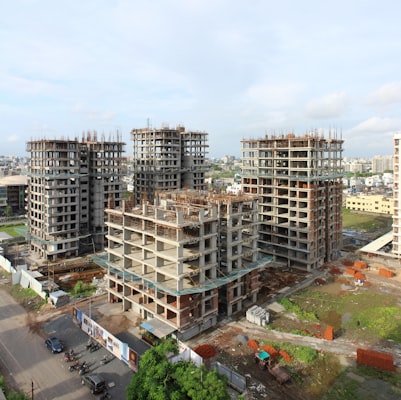
Some rural properties — particularly those with annexes, outbuildings, or land — have agricultural ties (also known as agricultural occupancy conditions). These are planning conditions that restrict who can live in the property, typically requiring the occupant to be employed in agriculture or a related activity.
How Agricultural Ties Affect Mortgages
- Reduced pool of buyers: Because fewer people can legally live in the property, demand is lower
- Lower valuations: Valuers typically reduce the value by 30-50% compared to an unrestricted property
- Fewer lenders: Many mainstream lenders will not lend on properties with agricultural ties
- Specialist lenders needed: Agricultural mortgage specialists exist but often charge higher rates
If a property you are looking at has an agricultural tie, check whether there are grounds for having it removed. This usually requires demonstrating that the property has been marketed at the restricted value for a sustained period without attracting an agricultural buyer. It is a lengthy process but can dramatically increase the property's value and mortgageability.
Mixed-Use Complications
A property with a significant annexe or outbuilding may be classified as mixed-use — part residential, part commercial (if the outbuilding is used for business), or part residential, part agricultural.
Mixed-use classification affects:
- The type of mortgage you need: Some lenders will not offer residential mortgages on mixed-use properties. You might need a semi-commercial mortgage
- Stamp duty rates: Mixed-use properties may attract different stamp duty rates
- Valuation approach: Valuers may use commercial valuation methods for part of the property
- Insurance: Standard homeowner's insurance may not cover commercial or agricultural elements
Which Lenders Accept Properties with Annexes?
Ancillary Accommodation (Part of the Main House)
Most mainstream lenders will consider these, including:
- High street banks and building societies
- Standard residential mortgage products
- Normal LTV ratios and interest rates
Self-Contained Annexes
A smaller pool of lenders, including:
- Some building societies — particularly larger ones like Nationwide, Leeds, and Yorkshire
- Private banks — for higher-value properties
- Specialist lenders — those experienced with non-standard properties
Properties with Agricultural Ties
Very limited:
- Agricultural mortgage specialists
- Some building societies in rural areas
- Private banks with rural property expertise
Valuation Challenges
Properties with annexes and outbuildings can be difficult to value because:
- Comparables are scarce: Every property with an annexe is slightly different, making it hard to find comparable sales
- Value is subjective: An annexe adds significant value for a family wanting multigenerational living, but may add nothing for a buyer who does not need it
- Cost does not equal value: Spending £80,000 on a garden annexe does not necessarily add £80,000 to the property's value
- Some lenders exclude the annexe: Certain lenders instruct their valuers to value only the main dwelling, ignoring the annexe entirely
Practical Advice
- Establish the planning status first — before committing to a purchase, confirm that the annexe or outbuilding has proper planning permission and building regulations approval
- Check council tax — is the annexe separately rated? If so, this may indicate it is treated as a separate dwelling, with implications for stamp duty and lending
- Understand how the lender will view it — speak to a broker early about the specific property. They can tell you which lenders will and will not consider it
- Consider how you will use it — if you plan to let the annexe, you need to disclose this to your lender. Letting a self-contained annexe without the lender's consent can breach your mortgage conditions
- Get a full building survey — annexes and outbuildings, particularly older or converted ones, can have issues that a basic valuation will not reveal
- If building an annexe, plan the mortgage implications first — if you are adding an annexe to your existing property, talk to your lender before you start. They may have restrictions on what you can build
The internal link trick
If you are building or converting an annexe, consider including an internal connecting door between the annexe and the main house, even if you do not plan to use it regularly. This simple feature can change how lenders classify the accommodation — from "separate dwelling" to "ancillary accommodation" — making it much easier to mortgage.
The Bottom Line
Properties with annexes and outbuildings are increasingly desirable, and the mortgage market is slowly adapting. The key is understanding how your specific arrangement will be classified by lenders — ancillary accommodation or separate dwelling — and ensuring the planning and building regulations paperwork is in order.
Get these basics right, and most properties with annexes are perfectly mortgageable. Get them wrong, and you can find yourself facing unexpected costs, limited lender choice, and a complicated sale when the time comes to move on.
If the annexe or outbuildings complicate mortgage approval, selling directly for cash may be the fastest route. SellTo offers free cash valuations with no fees to the seller.(affiliate)
Specialist brokers
Brokers who handle properties with annexes
These services are free to use — the lender pays them, not you. We may earn a commission if you use their services.
Habito
Digital-first, all situations — 90+ lenders
John Charcol
Established whole-of-market broker since 1974
Boon Brokers
Fee-free broker, all situations including adverse credit
All brokers presented equally. Not a personal recommendation. Affiliate disclosure
This is educational content, not financial advice. Your situation is unique — speak to a qualified mortgage broker before making any decisions.
Related reading
Non-Standard Construction Mortgages: What Counts and Who Lends?
UK guide to mortgages on non-standard construction homes. Timber frame, concrete, PRC, thatched — which lenders accept what and what surveys you need.
Mortgage on a Listed Building
Can you get a mortgage on a listed building in the UK? Yes, but expect specialist surveys, insurance requirements, and restrictions on alterations.

Specialist Mortgage Lenders UK: Who Are They?
Who are the specialist mortgage lenders in the UK? A comprehensive guide to lenders who help with bad credit, self-employment, and non-standard situations.

Mortgage Application Checklist: Documents You'll Need
Complete checklist of documents needed for a UK mortgage application. From payslips to bank statements — everything you need to prepare in advance.
Not sure about your mortgage options?
Find out your options — whether it's your circumstances or your property holding you back. Free, no judgement, no cold calls.
Get my free results