This is general information, not financial advice. Your circumstances are unique — always speak to a qualified mortgage broker before making financial decisions. This page may contain affiliate links. Affiliate disclosure · Terms
Converted Property Mortgage: Barns, Chapels, and Commercial Conversions
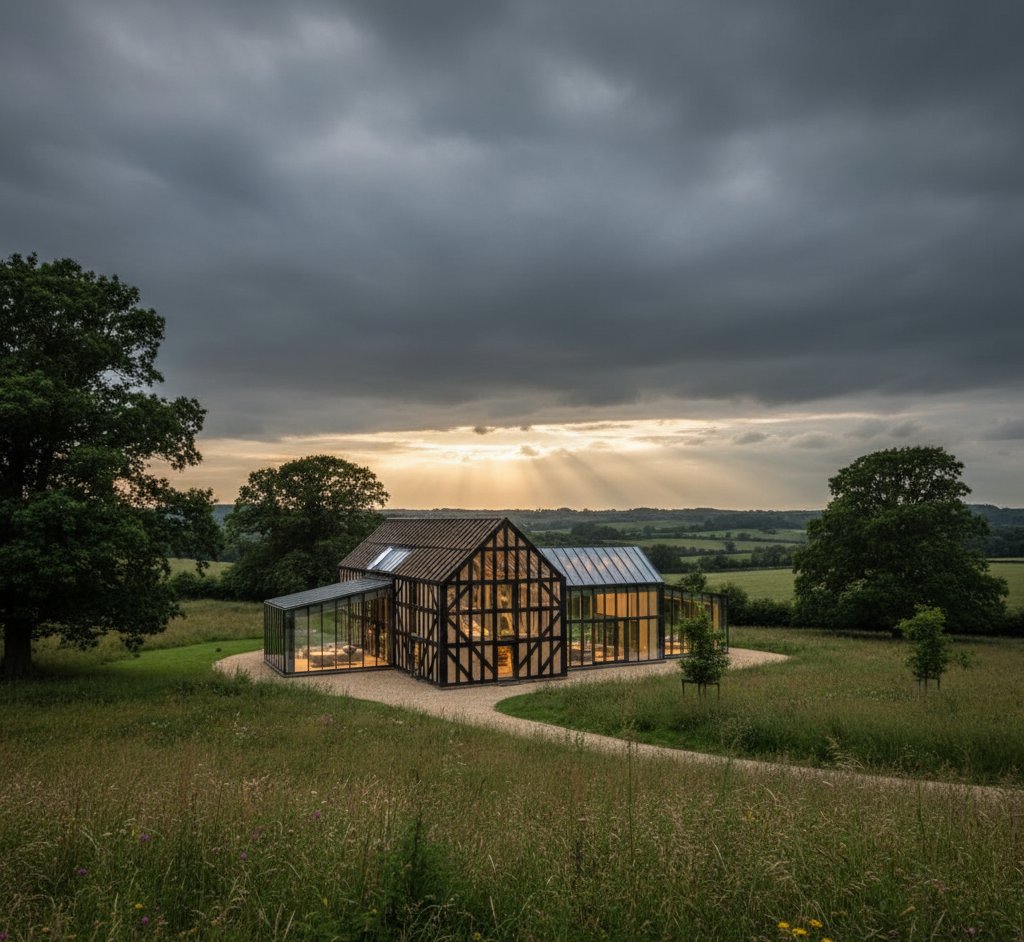
Converted properties — barns turned into homes, chapels becoming apartments, old pubs reimagined as family houses — are some of the most characterful places to live in the UK. They also come with a specific set of mortgage challenges that straightforward houses simply do not have. From warranty requirements to planning complications, here is what you need to know.
Types of Conversion
Barn Conversions
Perhaps the most popular and well-understood type of converted property. Barns have been converted into homes across the UK for decades, and many are now highly desirable properties commanding premium prices.
Typical mortgage considerations:
- Construction method: Barns can be stone, brick, timber frame, or a combination. The construction method affects which lenders will consider the property. See our guide on non-standard construction for more on this
- Rural location: Barn conversions are often in rural areas, which can affect valuations and marketability
- Listed status: Many barns are listed buildings or in conservation areas, adding restrictions. See our listed building guide
- Agricultural ties: Some barn conversions retain agricultural occupancy conditions
- Access: Remote barns may have issues with access roads, which can affect insurance and valuations
Chapel and Church Conversions
Converting places of worship into homes has become increasingly common as congregations shrink and buildings are sold off. These conversions can produce stunning homes, but they come with unique challenges.
Typical mortgage considerations:
- Listed building status: Many chapels and churches are Grade I or Grade II listed, with strict restrictions on alterations
- Non-standard layout: High ceilings, large windows, and open plan spaces designed for congregations rather than domestic living can make these properties hard to value
- Graveyard proximity: Some converted churches have graveyards nearby or attached, which can affect valuations and buyer appetite
- Shared spaces: Where a church has been split into multiple dwellings, there may be shared spaces (the former nave, for example) with leasehold or management company arrangements
- Acoustic issues: Stone walls and high ceilings can create challenging acoustics and heating costs
Commercial to Residential Conversions
Offices, shops, pubs, warehouses, factories, and other commercial buildings are regularly converted to residential use. This category has grown significantly since the introduction of permitted development rights for certain commercial-to-residential conversions.
Typical mortgage considerations:
- Planning route: Was the conversion done under full planning permission or permitted development? This matters (see below)
- Building regulations: Commercial buildings were built to different standards than residential properties. Has the conversion met current residential building regulations?
- Contamination: Former industrial sites may have contamination issues
- Mixed use: If part of the building remains commercial, the property may be classified as mixed-use
- Communal areas: Large commercial conversions often have shared corridors, entrances, and services
Other Conversions
Less common but still encountered:
- School conversions: Former schools turned into apartments or houses
- Mill conversions: Water mills and windmills converted to homes
- Lighthouse conversions: Rare but they exist
- Water tower conversions
- Fire station and police station conversions
Each brings its own character and its own set of mortgage complications, but the fundamental principles are the same.
Planning Permission: The Two Routes
Full Planning Permission
This is the traditional route. The developer applies to the local planning authority for permission to change the building's use from its original purpose (commercial, agricultural, religious) to residential (Use Class C3). The application is assessed against local planning policies, and conditions are attached.
Full planning permission provides:
- A thorough assessment of the conversion's impact
- Conditions that must be met (which provide reassurance to lenders)
- A clear paper trail
Permitted Development (Prior Approval)
Since 2013, certain types of commercial-to-residential conversions have been possible under permitted development rights, without needing full planning permission. Instead, the developer applies for "prior approval," which is a lighter-touch process.
Conversions that can use permitted development include:
- Office (Use Class E) to residential
- Light industrial to residential
- Some retail to residential
- Agricultural buildings to residential (subject to conditions)
Prior approval only considers specific impacts — transport, contamination, flooding, and noise — rather than the full range of planning considerations.
Why this matters for mortgages:
Some lenders and valuers are cautious about permitted development conversions because:
- The quality standards can be lower (there have been well-publicised cases of poor-quality conversions under permitted development)
- Minimum space standards do not always apply under permitted development (though this is being addressed)
- There is less oversight of the conversion process
- Some permitted development conversions have produced substandard housing that is difficult to sell
Quality concerns with permitted development
A government review found that permitted development conversions — which sometimes lead to mortgage declines — were significantly more likely to fall below national space standards than conversions with full planning permission. Some conversions produced flats as small as 13 square metres. While minimum space standards were introduced for permitted development in 2021, earlier conversions may still fall below acceptable sizes. Lenders and valuers will flag this.
Building Regulations Compliance
Regardless of the planning route, a conversion must comply with building regulations. These cover:
- Structural integrity — can the building safely function as a home?
- Fire safety — escape routes, fire doors, smoke detection, compartmentation
- Thermal insulation — meeting minimum energy efficiency standards
- Sound insulation — particularly in multi-unit conversions
- Ventilation — adequate fresh air and extraction
- Electrical and plumbing standards
- Accessibility — Part M requirements for some conversions
A building regulations completion certificate is essential. Without one, you may face problems with:
- Mortgage applications (lenders want evidence of compliance)
- Insurance (some insurers will not cover properties without building regulations sign-off)
- Future sales (the problem passes to the next buyer)
If a conversion was completed without building regulations approval, it may be possible to obtain a regularisation certificate from the local authority. This involves an inspection and assessment of the work, and the authority may require certain changes to bring the conversion up to standard.
Warranty Requirements
For conversions completed within the last 10 years, most mortgage lenders require a structural warranty or equivalent professional certification.
Accepted Warranties
- NHBC — though they do not cover all types of conversion
- LABC Warranty
- Premier Guarantee
- Checkmate
- ICW
- BLP (Building LifePlans)
Professional Consultant's Certificates (PCC)
Where a standard warranty is not available (which is common for smaller or unusual conversions), some lenders will accept a Professional Consultant's Certificate. This is a certificate from a chartered architect or chartered surveyor confirming that:
- They supervised the conversion work
- The work was carried out to a satisfactory standard
- The building is fit for purpose as a residential dwelling
Not all lenders accept PCCs, and those that do may have restrictions on which professionals' certificates they will accept. This is an area where a specialist broker earns their fee — they will know which lenders accept PCCs and which professionals' certificates are accepted.
Conversions Over 10 Years Old
If the conversion was completed more than 10 years ago, most lenders waive the warranty requirement. The logic is that if the building has been standing and functioning as a home for a decade, the risk of major structural defects has substantially diminished.
Keep all the paperwork
If you are buying a converted property, make sure you receive all the documentation: planning permission (or prior approval), building regulations completion certificate, any warranties or professional certificates, and records of the conversion work. This paperwork is essential for mortgages, insurance, and future sales.
Deposit Requirements
Converted properties typically require higher deposits than standard homes. Expect:
- 15-20% deposit for a well-documented conversion from a professional developer with full planning and a warranty
- 20-25% deposit for a conversion with some complications (no warranty, unusual construction, permitted development)
- 25%+ deposit for conversions with significant issues (listed building, no building regulations, rural location, non-standard construction)
The higher deposit requirement reflects the lender's assessment of risk — converted properties can be harder to sell if they need to repossess, and valuations can be less certain than for standard housing.
Which Lenders Specialise in Conversions?
Mainstream Lenders That Consider Conversions
- Nationwide — generally willing for well-documented conversions
- Halifax — will consider subject to their standard non-standard property criteria
- NatWest — case-by-case assessment
- Santander — may consider with appropriate documentation
Building Societies With Conversion Experience
- Yorkshire Building Society
- Skipton Building Society
- Leeds Building Society
- Ecology Building Society — particularly strong on sustainable and unusual conversions
- Various regional building societies with local knowledge of converted properties in their areas
Specialist Lenders
Several specialist lenders have specific products or experience with converted properties. A broker who specialises in non-standard properties will have up-to-date knowledge of which lenders are active in this space.
Valuation Challenges
Converted properties are inherently difficult to value because:
- Limited comparables: A converted chapel is not directly comparable to a standard three-bedroom house, even if they have similar floor areas
- Character premium: Buyers may pay a premium for the character of a conversion, but valuers are often conservative about this
- Maintenance costs: Older and non-standard buildings can be more expensive to maintain, which affects value
- Market appeal: Conversions appeal to a narrower market than standard homes, which can affect the speed and certainty of a sale
- Location factors: Many conversions are in locations (rural, town centre, industrial areas) that add their own valuation complexities
Down-valuations are more common with converted properties than with standard homes. If the valuer values the property below the agreed purchase price, you will need to either find a larger deposit, renegotiate the price, or find a different lender whose valuer may take a different view.
Practical Advice for Buyers
- Get the full planning and building regulations history from the seller before committing
- Check for any listed building restrictions that might limit future alterations
- Commission a full building survey — a basic valuation is not sufficient for a converted property. You need a surveyor who understands the original building type
- Understand the construction — what is the building made of? Is it standard brick and stone, or does it have non-standard elements like timber frame, cob, or steel?
- Check for contamination — former commercial and industrial sites can have contamination issues that affect both health and mortgage applications
- Use a specialist broker — they will save you time, money, and frustration by matching you with the right lender first time
- Visit in bad weather — conversions can have issues with damp, drainage, and heating that only become apparent in wet or cold conditions
- Factor in maintenance costs — heritage buildings and non-standard constructions often cost more to maintain than modern homes
When It All Goes Right
A well-converted barn, chapel, or commercial building can be a wonderful place to live — full of character, with interesting spaces and architectural features that new builds simply cannot replicate. The mortgage process may be more complex, but with the right documentation, a knowledgeable broker, and a willing lender, these properties are absolutely mortgageable.
The buyers who have the smoothest experience are those who do their homework first: checking the paperwork, understanding the construction, and talking to a broker before falling in love with the property. Falling in love first and checking the mortgage second is a recipe for disappointment.
If the conversion history is putting lenders off, selling directly for cash may be the fastest route. SellTo offers free cash valuations with no fees to the seller.(affiliate)
Specialist brokers
Brokers who handle non-standard properties
These services are free to use — the lender pays them, not you. We may earn a commission if you use their services.
Habito
Digital-first, all situations — 90+ lenders
John Charcol
Established whole-of-market broker since 1974
Boon Brokers
Fee-free broker, all situations including adverse credit
All brokers presented equally. Not a personal recommendation. Affiliate disclosure
This is educational content, not financial advice. Your situation is unique — speak to a qualified mortgage broker before making any decisions.
Related reading
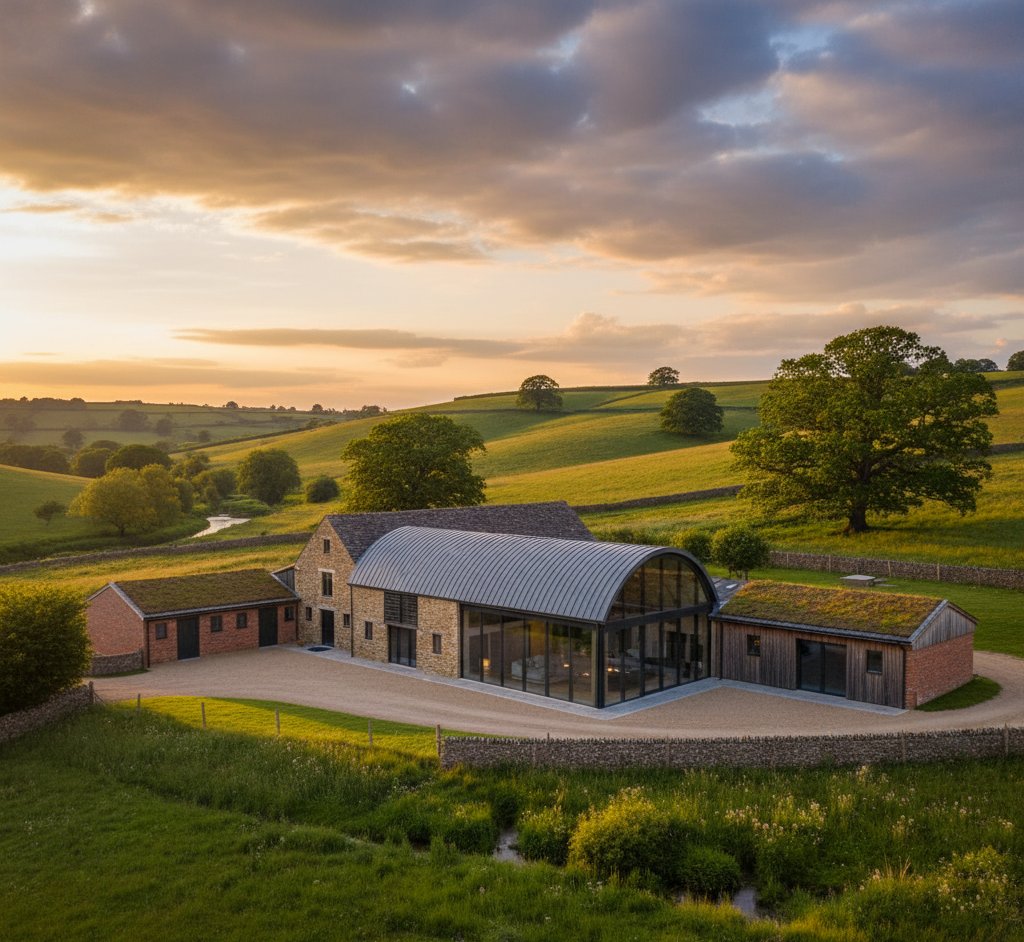
Non-Standard Construction Mortgages: What Counts and Who Lends?
UK guide to mortgages on non-standard construction homes. Timber frame, concrete, PRC, thatched — which lenders accept what and what surveys you need.
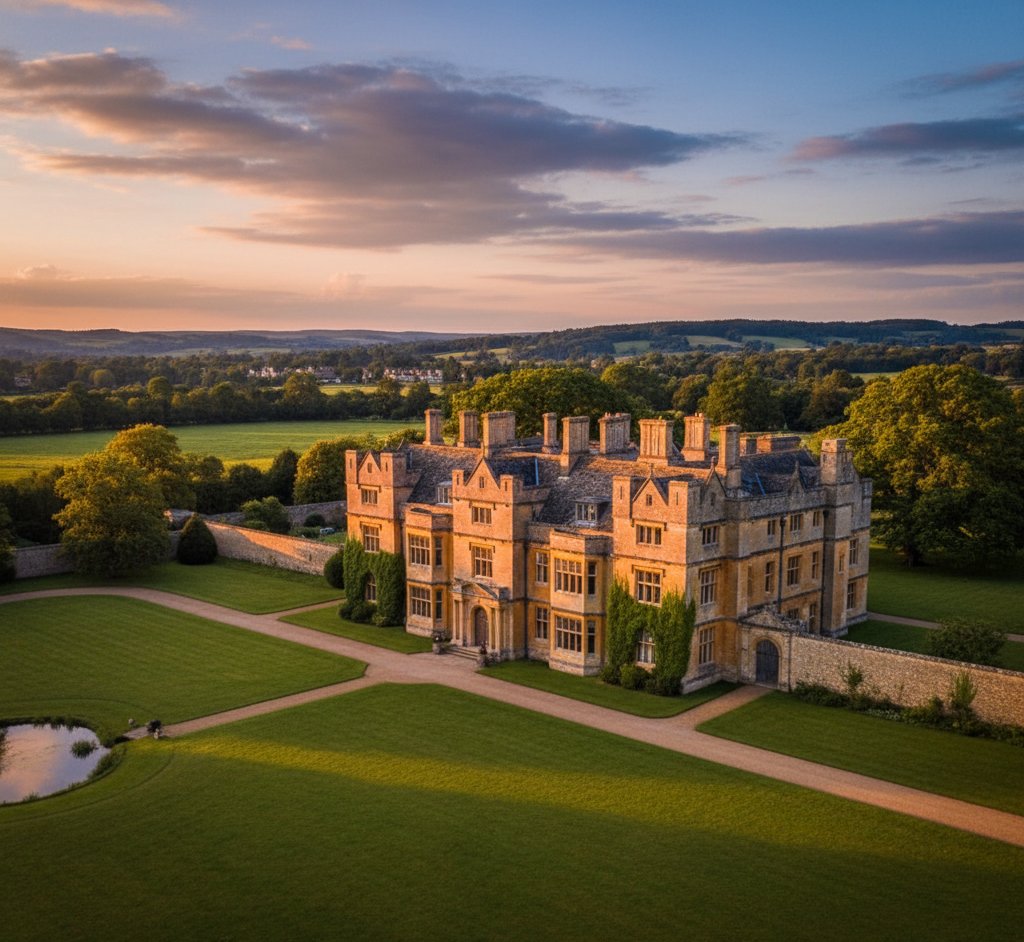
Mortgage on a Listed Building
Can you get a mortgage on a listed building in the UK? Yes, but expect specialist surveys, insurance requirements, and restrictions on alterations.

Specialist Mortgage Lenders UK: Who Are They?
Who are the specialist mortgage lenders in the UK? A comprehensive guide to lenders who help with bad credit, self-employment, and non-standard situations.
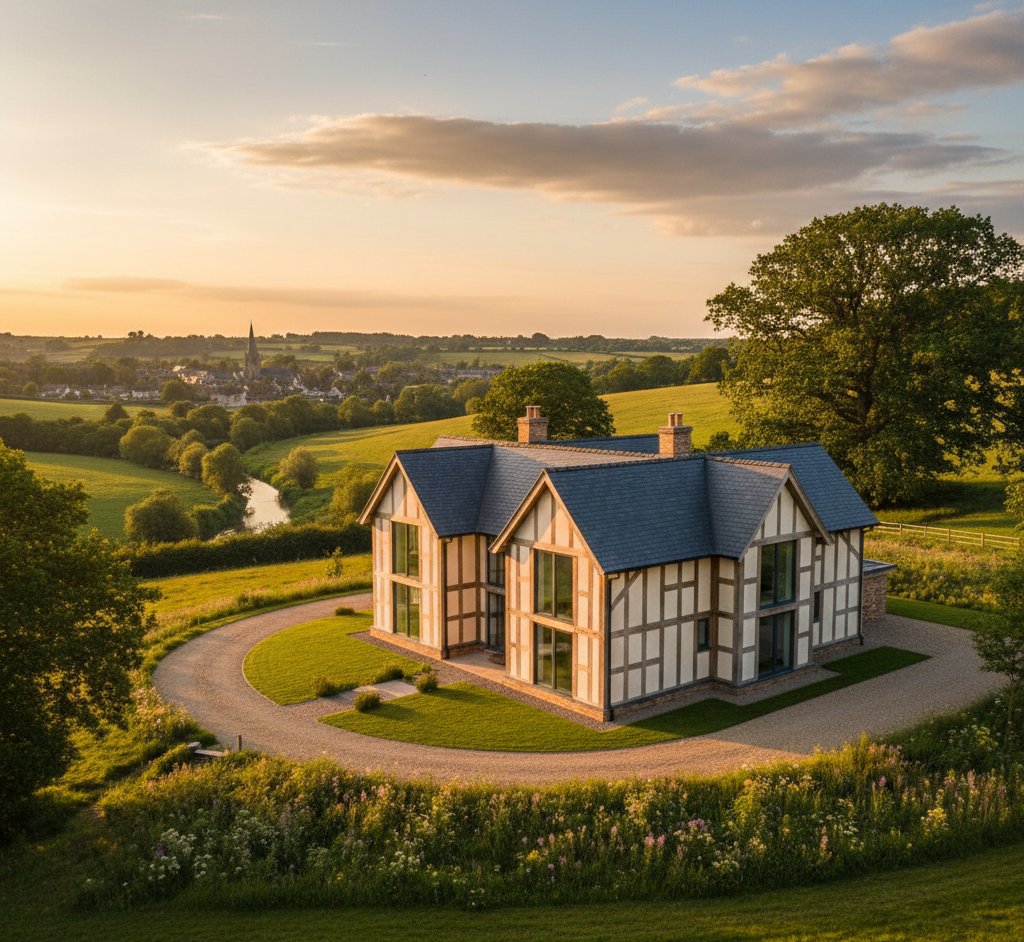
Timber Frame House Mortgage: Who Lends?
Getting a UK mortgage on a timber frame house. Modern vs traditional timber frame, which lenders accept them, and what surveys you need.
Not sure about your mortgage options?
Find out your options — whether it's your circumstances or your property holding you back. Free, no judgement, no cold calls.
Get my free results