This is general information, not financial advice. Your circumstances are unique — always speak to a qualified mortgage broker before making financial decisions. This page may contain affiliate links. Affiliate disclosure · Terms
Park Home Finance: Your Options When There's No Mortgage
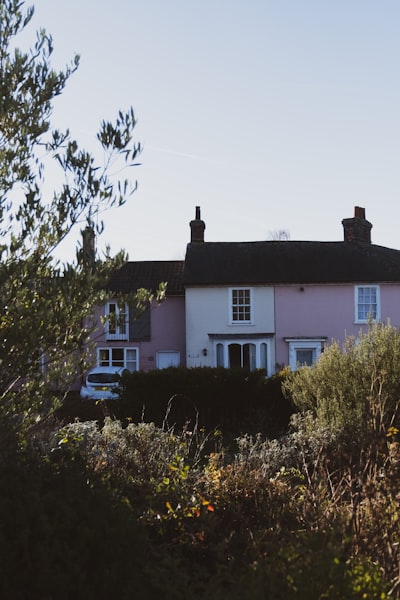
Park homes are a well-established part of the UK housing market — around 160,000 residential park homes are occupied across England and Wales. They offer attractive alternatives to conventional housing, particularly for those looking to downsize, live in a specific community, or access high-quality accommodation at a lower purchase price. But the finance works entirely differently from a standard house or flat. There is no traditional mortgage available. There never will be. Understanding why — and what your actual options are — is essential before you commit.
Why a Standard Mortgage Is Not Possible
This is the first question most people ask, and the answer matters.
A mortgage is a loan secured by a charge over real property — specifically, over land and any buildings or structures permanently attached to it. The charge is registered at HM Land Registry, giving the lender a legal right to repossess and sell the property if the borrower fails to repay.
A park home sits on a pitch — a defined area of land within a licensed residential park. The land belongs to the site operator. You own the park home structure itself, but you do not own the land beneath it. Your right to occupy the pitch is a licence — not a freehold or leasehold interest in land.
Because there is no land for the lender to register a charge against, standard mortgage finance is structurally impossible. No Land Registry title, no charge, no mortgage. This is not a quirk of lender criteria that could be resolved by shopping around — it is a fundamental legal constraint.
The park home itself is classified in law as a chattel — a moveable possession, like a vehicle or piece of equipment — rather than real property. The legal framework is the Mobile Homes Act, not land registration law.
The Mobile Homes Act 2013
The Mobile Homes Act 1983, substantially amended by the Mobile Homes Act 2013, is the key legislation governing park home ownership in England. Wales has its own amended version. The Act provides significant protections for park home residents:
Security of tenure: You have the right to occupy the pitch for as long as you comply with the terms of the written agreement and site rules. The site operator cannot simply ask you to leave. Eviction requires a court order and can only be sought on specific grounds — non-compliance with the agreement terms, breach of site rules, or similar.
Pitch fee controls: Annual pitch fee increases are linked to the Consumer Price Index (CPI, replacing the older RPI linkage in England following the 2013 reforms) and must follow a defined process. Site operators cannot increase fees arbitrarily — increases above CPI require a tribunal decision.
Right to sell: You have the right to sell your park home on the open market without the site operator's approval of the price or the identity of the buyer. The operator can object to a specific buyer on grounds such as their inability to comply with site rules, but cannot simply veto a sale.
Succession rights: The park home can be inherited by a partner living there or by a family member of the deceased occupier, subject to conditions.
Written agreement: The site operator must provide a written agreement before you buy or take over occupation. This document, standardised under the Act, sets out all the terms of your occupation.
Older written agreements
Park homes that changed hands before the 2013 reforms may have older written agreements that do not include all the updated protections. If you are buying a second-hand park home, check the date and terms of the existing written agreement. In most cases, the Act's protections apply regardless of what the agreement says — but it is worth confirming with a solicitor experienced in park home law.
The 10% Commission Trap
This is the most important financial fact about park homes, and it catches many buyers off guard.
Under the Mobile Homes Act, when you sell your park home, the site operator is legally entitled to a commission on the sale price. This is currently capped at 10% of the sale price. There is no way to negotiate it away or avoid it — it is a statutory right of the site operator.
On a £200,000 park home sale, the site operator takes £20,000 from the seller's proceeds.
This has significant implications for the financial logic of park home ownership:
Capital preservation: Park homes do not always appreciate in value the way conventional properties do. A new park home purchased for £200,000 might sell for £160,000-170,000 a few years later (before the commission), reflecting the fact that manufactured structures depreciate, the new home premium dissipates, and the pool of buyers for any given park home is smaller than for conventional housing. Subtract the 10% commission and the financial return on a new park home purchase is often negative.
Second-hand value: Second-hand park homes — older structures in established parks — can offer much better value because the new home premium has already disappeared. A park home that cost £180,000 new, now offered at £100,000, means the original buyer absorbed the depreciation. The second-hand buyer faces less downside risk.
Compare carefully: The purchase price you pay is not the final story. When you come to sell, 10% goes to the operator, then your loan balance is repaid, and you receive what remains. Model this carefully before committing.
The Site Fee Structure
When you own a park home, you pay site fees (also called pitch fees) to the site operator for your right to keep the home on the site. Site fees cover:
- The use of the pitch (the land your home sits on)
- Contribution to site maintenance — roads, communal areas, landscaping
- Water and sewerage in most cases (though some sites charge separately)
- Site management
Site fees vary considerably: from around £150 per month at smaller, older sites to £500 or more per month at premium park developments with extensive facilities (clubhouses, swimming pools, landscaped grounds). In expensive locations — coastal or Home Counties parks — fees can be higher still.
Site fees are reviewed annually in line with CPI. The site operator must give proper notice (56 days) of any increase and follow the prescribed process under the Mobile Homes Act. If you dispute a site fee increase, you can apply to the First-tier Tribunal (Property Chamber) for a determination.
Factor site fees into your affordability assessment — they are an ongoing commitment equivalent to the ground rent and service charge on a leasehold flat, but with a different legal structure.
Park Home Loan Options
Specialist Park Home Lenders
Several specialist lenders provide finance specifically for park home purchases. These lenders understand the legal framework and lend against the park home structure (the chattel) rather than the land:
Prestige Finance: One of the most established specialist park home lenders in the UK, offering loans for park home purchases. Their products are designed specifically for the park home market.
Park Home Assist: Provides both insurance and finance for park home buyers, with loan products designed for the specific characteristics of park home ownership.
Some credit unions: A small number of credit unions with strong connections to park home communities have historically provided finance to their members.
Loan Structure
Park home finance differs from a mortgage in several ways:
Interest rates: Significantly higher than standard mortgage rates. Expect 7-12% APR depending on the lender, the loan amount, the park home's value and condition, and your personal credit profile. These rates reflect the higher risk the lender takes on chattel (rather than real property) security, the less liquid second-hand market, and the depreciation risk.
Loan terms: Typically 10-20 years. Standard mortgages run for 25-35 years. The shorter term means higher monthly payments relative to the loan amount.
Deposit requirements: Typically 20-25% of the purchase price. Some lenders require more for older or lower-value homes.
Security: The lender takes a charge over the park home itself (the chattel). If you default, the lender can repossess the home. However, the lender's security does not extend to the pitch — the site operator's rights over the land remain separate.
Age restrictions: Many specialist park home finance providers impose age restrictions — typically requiring at least one borrower to be over 50. This reflects the demographics of park home ownership. Some providers only lend to those aged 55 or over.
Not always FCA regulated: This is important. Some park home finance products are not regulated by the Financial Conduct Authority, which means the consumer protections that apply to regulated mortgages and secured loans (affordability assessments, right to complain to the Financial Ombudsman Service) may not apply. Always check whether the agreement you are being offered is FCA regulated before signing. Ask the lender directly.
Unregulated finance
If a park home finance agreement is not FCA regulated, you have fewer protections if things go wrong. You cannot take a complaint to the Financial Ombudsman Service, and the lender is not required to assess your affordability under FCA rules. This does not mean you should not proceed — but understand what you are signing.
Cash Purchase
The most common route for park home buyers, particularly older downsizers, is to purchase with cash — typically using the proceeds from selling a conventional property. If you are downsizing from a bricks-and-mortar home, you may have enough equity to buy the park home outright and have funds remaining.
Cash purchase eliminates the finance cost entirely and simplifies the process. It also means your occupation of the park home is not dependent on making loan repayments — an important consideration if your income is fixed or declining in retirement.
Remortgaging a Conventional Property
If you own a conventional home with equity, you could release that equity through a remortgage to fund a park home purchase, while retaining the conventional property (as a rental investment, for example) or using the equity to fund the park home cash purchase after selling.
This route gives you access to standard mortgage rates for the equity release element, which are significantly lower than park home loan rates. A specialist mortgage broker can advise on whether this is practical for your situation.
The Buying Process
Buying a park home differs from buying conventional property:
No conveyancing solicitor is always required (but recommended): The legal framework is the Mobile Homes Act rather than land registration law. There is no Land Registry transfer. However, having a solicitor review the written agreement and any sale documentation is advisable, particularly for second-hand purchases where the existing agreement should be reviewed.
The written agreement: The key document. Read it carefully. Understand the site rules, the pitch fee calculation method, the terms for selling or subletting, and the operator's rights. If anything is unclear, get legal advice before signing.
Siting survey: Before the home is placed on the pitch (for new purchases), a survey of the pitch should confirm its suitability — ground stability, drainage, services. For second-hand purchases, the home is already sited.
Conveyancing searches: There is no Land Registry search, but you may want to investigate the park operator — are there any CCJs, insolvency proceedings, or tribunal decisions against them? A poorly run site is a risk to your investment.
Insurance for Park Homes
Standard buildings insurance is not appropriate for park homes. You need:
Park home specialist insurance: Products from providers such as Leisuredays, Park Home Assist, and Regal Insurance are designed specifically for park homes. They cover the structure and contents on a like-for-like replacement basis.
Building-specific cover: Park homes have their own structural characteristics — the chassis, the external cladding, the roofing materials — that require specific insurance treatment.
Site liability: Some policies include cover for third-party liability arising from your use of the pitch.
Cost: Typically £300-600 per year for a well-maintained modern park home, rising for older homes or those with higher values.
If you are taking out a park home loan, the lender will require evidence of adequate insurance as a condition of the loan.
Resale Considerations
When it comes to selling a park home, keep in mind:
- The 10% commission payable to the site operator comes out of the sale proceeds
- The pool of buyers is smaller than for conventional homes — buyers must want to live on that specific park, meet any age or occupancy requirements, and be able to fund the purchase
- The site operator cannot veto the sale or the price, but can object to a specific buyer on reasonable grounds
- Marketing through estate agents experienced in park homes, or through park home specialist agents, tends to reach the relevant buyer pool more effectively than standard residential agents
Making the Numbers Work
Before committing to a park home purchase, model the full financial picture:
| Cost | Typical range |
|---|---|
| Purchase price | £100,000 – £350,000 |
| Deposit (if financing) | 20-25% |
| Site fees | £150 – £500+ per month |
| Park home loan rate | 7-12% APR |
| Insurance | £300 – £600/year |
| Maintenance | Budget 1-2% of value/year |
| 10% commission on sale | Fixed at 10% of sale price |
The appeal of park homes — lower purchase price, managed community, reduced maintenance burden — is real. The key is going in with accurate expectations about the financial framework, particularly the ongoing site fees, the higher finance cost, and the 10% commission on any future sale.
If park home finance options are limited and expensive compared to standard mortgages, selling directly for cash may be the fastest route. SellTo offers free cash valuations with no fees to the seller.(affiliate)
Specialist brokers
Brokers who handle park home and non-standard property finance
These services are free to use — the lender pays them, not you. We may earn a commission if you use their services.
Habito
Digital-first, all situations — 90+ lenders
John Charcol
Established whole-of-market broker since 1974
Boon Brokers
Fee-free broker, all situations including adverse credit
All brokers presented equally. Not a personal recommendation. Affiliate disclosure
This is educational content, not financial advice. Your situation is unique — speak to a qualified financial adviser and a solicitor experienced in park home law before making any decisions.
Related reading
Houseboat and Park Home Finance: Can You Get a Mortgage?
Can you get a mortgage on a houseboat or park home in the UK? Standard mortgages don't apply, but finance options exist. Here's what you need to know about marine finance, park home loans, and legal protections.

Specialist Mortgage Lenders UK: Who Are They?
Who are the specialist mortgage lenders in the UK? A comprehensive guide to lenders who help with bad credit, self-employment, and non-standard situations.

Bridging Loans Explained: When They Make Sense
UK guide to bridging loans. When they make sense, what they cost (0.5-1.5% monthly), the risks involved, and when to consider alternatives instead.
Non-Standard Construction Mortgages: What Counts and Who Lends?
UK guide to mortgages on non-standard construction homes. Timber frame, concrete, PRC, thatched — which lenders accept what and what surveys you need.
Not sure about your mortgage options?
Find out your options — whether it's your circumstances or your property holding you back. Free, no judgement, no cold calls.
Get my free results