This is general information, not financial advice. Your circumstances are unique — always speak to a qualified mortgage broker before making financial decisions. This page may contain affiliate links. Affiliate disclosure · Terms
Shared Ownership Explained: The Full Picture

Shared ownership is one of the most talked-about routes onto the property ladder in the UK — and one of the most misunderstood. It can be a genuine lifeline for people who can't afford to buy outright, but it comes with costs and complications that aren't always obvious upfront.
How Shared Ownership Works
Shared ownership is a government-backed scheme run through housing associations (also called registered providers). The basic idea:
- You buy a share of a property — typically between 25% and 75%
- You pay rent on the share you don't own, charged by the housing association
- You can staircase (buy more shares) over time until you own the property outright
For example, on a property worth £250,000, you might buy a 40% share (£100,000). You'd need a mortgage and deposit for your £100,000 share, and you'd pay rent to the housing association on the remaining £150,000.
Who Can Apply?
To qualify for shared ownership in England, you generally need to:
- Have a household income of £80,000 or less (£90,000 in London)
- Be a first-time buyer, or someone who used to own a home but can't afford one now, or an existing shared owner looking to move
- Not already own a property at the time of purchase
- Be able to demonstrate you can't afford to buy a suitable home on the open market
The rules differ slightly in Wales (Shared Ownership - Wales), Scotland (New Supply Shared Equity), and Northern Ireland (Co-Ownership Housing).
The Real Costs
This is where shared ownership gets more complex than many people expect. Your monthly outgoings aren't just a mortgage payment — they're a combination of costs that can add up.
Your Mortgage Payment
You'll need a mortgage for your share. If you're buying a 40% share of a £250,000 property, that's a £100,000 mortgage. Your deposit is usually 5-10% of your share — so £5,000-£10,000 in this example, not 5-10% of the full property value.
Rent
You pay rent on the share you don't own. This is typically set at 2.75% of the housing association's share per year, paid monthly. On a £150,000 housing association share, that's about £344 per month.
Crucially, this rent can increase. It's usually linked to RPI (Retail Price Index) plus up to 0.5%, though the government introduced a 10-year cap of CPI plus 1% for new shared ownership homes from 2023 onwards.
Service Charges
If you're in a flat (which many shared ownership properties are), you'll pay service charges. These cover building maintenance, communal area upkeep, and building insurance. These can be anything from £100 to £300+ per month and can increase significantly over time.
Ground Rent
Some older shared ownership properties come with ground rent, though the Leasehold Reform (Ground Rent) Act 2022 means new leases granted from 30 June 2022 should have ground rent set at zero (a "peppercorn").
Add it all up first
Before committing to shared ownership, calculate your TOTAL monthly cost: mortgage + rent + service charge + any ground rent. Compare this to what you'd pay renting privately. Sometimes the difference is smaller than you'd expect — and you take on more responsibility as a shared owner.
The Honest Pros
- Lower deposit needed — 5% of your share, not 5% of the full property value
- More affordable mortgage — because you're only borrowing for your share
- Get on the ladder — you start building equity in a property you live in
- Staircase to full ownership — you can buy more shares when you can afford to
- 10-year repair period — for new-build shared ownership homes (from 2024), the housing association covers the cost of essential repairs for 10 years
The Honest Cons
- You're paying rent AND a mortgage — total monthly costs can be high
- Rent increases — your rent isn't fixed and will go up over time
- Selling is more complicated — the housing association usually has a nomination period to find a buyer before you can sell on the open market
- Staircasing costs money — every time you buy more shares, you need a valuation, and possibly legal fees and a new mortgage arrangement
- Leasehold complications — most shared ownership properties are leasehold, with all the issues that brings
- Negative equity risk — if property values fall, you could owe more than your share is worth
- Restrictions on improvements — you may need housing association permission for renovations
Which Lenders Offer Shared Ownership Mortgages?
Many mainstream lenders offer shared ownership mortgages, including:
- Halifax — one of the biggest shared ownership lenders
- Nationwide — competitive rates for shared ownership
- Leeds Building Society — flexible on shared ownership
- Skipton Building Society — popular for shared ownership
- Barclays — available for shared ownership purchases
Some specialist lenders also offer shared ownership mortgages for people with adverse credit, though rates will be higher.
Broker advantage
Not all lenders advertise their shared ownership products prominently. A mortgage broker will know which lenders are actively lending on shared ownership and can find the best rate for your circumstances.
The New Model (2024 Onwards)
The government updated the shared ownership model for new homes. Key changes include:
- Minimum initial share of 25% (the 2021 model temporarily allowed 10% initial shares, but the current model has reverted to 25% minimum — some older resale properties may still have 10% share terms under the original lease)
- Staircasing in 5% increments after the first step (previously 10%)
- 10-year repair responsibility sitting with the housing association for new-build homes
- Rent capped at CPI plus 1% for the first 10 years
These changes are positive overall, but they only apply to new shared ownership homes. If you're buying a resale shared ownership property, the original lease terms may be different.
Is Shared Ownership Right for You?
Shared ownership works well if:
- You have a stable income but can't save a large enough deposit for open-market purchase (see mortgage affordability explained)
- You plan to stay in the property long enough to staircase
- You've calculated all the costs and it's genuinely more affordable than renting
- You understand it's a stepping stone, not necessarily a forever home
It might not be right if:
- Your total monthly costs would be similar to or higher than renting
- You want complete freedom to renovate and modify your home
- You're in an area where property prices are volatile
- You'd struggle to afford staircasing costs in the future
Worked Example: The Full Monthly Cost Breakdown
Emma is buying a 40% share of a £280,000 new-build flat in Manchester through shared ownership.
Her share and deposit:
- 40% share: £112,000
- Deposit: 5% of her share = £5,600
- Mortgage needed: £106,400
Monthly costs breakdown:
| Cost | Amount |
|---|---|
| Mortgage (£106,400 at 5.2%, 30 years) | £584 |
| Rent (2.75% of housing association's 60% share of £280,000 = £168,000) | £385 |
| Service charge | £165 |
| Buildings insurance (included in service charge for new builds) | £0 |
| Ground rent (new lease, so peppercorn) | £0 |
| Total monthly cost | £1,134 |
Comparison to renting privately: A similar flat in the same area might rent for £950-£1,100/month. So Emma's total monthly costs are comparable to or slightly higher than renting, but she's building equity in the property.
The rent increase over time: Under the new model, Emma's rent increases are capped at CPI + 1% for the first 10 years. Assuming 3% CPI:
- Year 1: £385/month
- Year 5: approximately £450/month
- Year 10: approximately £530/month
These increases are one of the hidden costs of shared ownership that many buyers don't plan for.
Staircasing: Buying More Shares Over Time
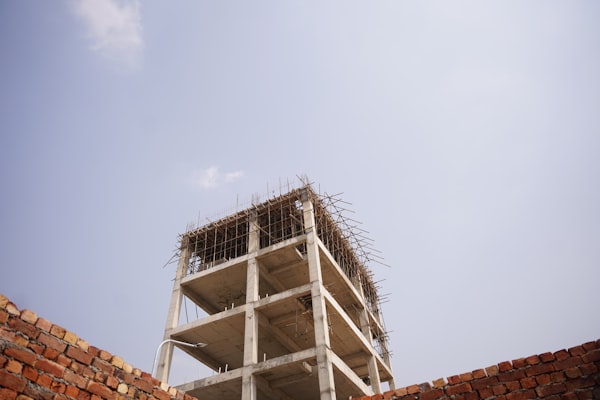
Staircasing is the process of buying additional shares until you own 100%. Here's how it works in practice:
The New Staircasing Rules (2024 Model)
- You can staircase in 5% increments after your first staircase
- Each staircase requires a new valuation of the property (at your cost, typically £200-£500)
- The price you pay for additional shares is based on the current market value, not the original purchase price
- Once you reach 100%, you own the property outright and stop paying rent
Worked Staircasing Example
Using Emma's flat above: she bought a 40% share at £112,000 when the property was worth £280,000.
Three years later, the property is valued at £310,000. She wants to buy an additional 20% share.
- 20% of £310,000 = £62,000 (not 20% of the original £280,000)
- She needs to fund this through remortgaging (increasing her mortgage from approximately £100,000 to £162,000) or savings
- Her mortgage goes up, but her rent drops: she now owns 60%, so rent is charged on only 40% of £310,000 = £124,000
- New rent: 2.75% of £124,000 / 12 = approximately £284/month (was £385)
When Staircasing Doesn't Make Financial Sense
- If property values have risen significantly, buying more shares is expensive — you're paying current market rates for shares you could have bought cheaper initially
- If interest rates are high, increasing your mortgage to fund staircasing means paying more in interest
- If you plan to move soon, the costs of staircasing (valuation, legal fees, mortgage fees) may not be recouped
Selling a Shared Ownership Property
Selling is more complex than with standard homeownership:
The Nomination Period
When you want to sell, the housing association has a nomination period (usually 4-8 weeks) during which they can find a buyer from their waiting list. This buyer purchases your share under the same shared ownership terms.
If No Buyer Is Found
After the nomination period, you can sell on the open market. But you're selling a shared ownership property, which limits your buyer pool to people who are eligible for and interested in shared ownership.
Selling at 100% Ownership
If you've staircased to 100%, you sell on the open market like any other homeowner. However, check your lease — some contain restrictions even at full ownership, such as the housing association having first refusal.
The Negative Equity Risk
If property values have fallen, your share could be worth less than your mortgage. This makes selling very difficult. You'd need to cover the shortfall, and finding a buyer for a shared ownership property in negative equity is harder than for a standard property.
Common Mistakes with Shared Ownership
Not Calculating the Total Cost
The most common mistake is focusing only on the mortgage payment and forgetting about rent, service charges, and future rent increases. Always calculate the total monthly cost and compare it honestly to renting.
Assuming You'll Staircase Quickly
Many buyers enter shared ownership planning to staircase to 100% within a few years. In reality, rising property values can make each staircase step more expensive than anticipated. Your plan to buy the other 60% for £168,000 might cost £200,000 by the time you can afford it.
Ignoring the Lease Terms
Shared ownership properties are leasehold. Read the lease carefully or have a solicitor explain:
- What alterations can you make without permission?
- What happens if you want to sublet (usually not allowed)?
- Are there any onerous terms about maintenance contributions?
- What's the lease length? (Should be at least 99 years for most lenders)
Not Researching the Housing Association
The quality of housing associations varies enormously. Some are responsive and well-managed; others have poor reputations for maintenance, communication, and service charge transparency. Research your housing association before committing — check reviews, speak to existing residents, and look at their complaint record with the Housing Ombudsman.
Underestimating Service Charge Increases
Service charges can increase significantly, especially for flatted developments. A service charge of £150/month can become £250/month within a few years if major works are needed. Ask for the last 3 years of service charge accounts and any planned works.
Questions to Ask Before Buying Shared Ownership
- "What is the total monthly cost — mortgage, rent, service charge, and ground rent combined?" — Get a complete number, not just the mortgage payment.
- "How much has the rent increased over the last 3 years?" — This shows the real trajectory of your costs.
- "What are the service charges, and are any major works planned?" — A new roof or lift replacement could add thousands to your annual costs.
- "Can I staircase in smaller increments under my lease?" — Older leases may require 10% minimum staircasing steps.
- "What happens when I want to sell?" — Understand the nomination period and any restrictions.
- "Are there any restrictions on alterations, subletting, or pets?" — These vary by housing association and can affect your quality of life.
- "What's the housing association's track record?" — Check the Housing Ombudsman and online reviews.
- "How long is the lease?" — A short lease (under 80 years) can cause serious problems with mortgage lenders and property value.
The Bottom Line
Shared ownership has helped hundreds of thousands of people become homeowners in the UK. It's a legitimate, government-backed route that deserves serious consideration. But go in with your eyes open. Calculate every cost, understand the restrictions, and make sure it genuinely improves your financial position compared to the alternatives.
Specialist brokers
Brokers who handle shared ownership
These services are free to use — the lender pays them, not you. We may earn a commission if you use their services.
Habito
Digital-first, all situations — 90+ lenders
John Charcol
Established whole-of-market broker since 1974
Boon Brokers
Fee-free broker, all situations including adverse credit
All brokers presented equally. Not a personal recommendation. Affiliate disclosure
This is educational content, not financial advice. Your situation is unique — speak to a qualified mortgage broker before making any decisions.
Related reading

Staircasing with Bad Credit
Can you staircase your shared ownership home with bad credit? Learn how adverse credit affects buying more shares and which lenders can help.

First-Time Buyer with Bad Credit
First-time buyer with bad credit in the UK? You're not disqualified. Understand which lenders help, what deposit you need, and how to improve your chances.

Mortgage Affordability: How Lenders Decide
How do UK mortgage lenders assess affordability? Understand income multiples, stress tests, committed expenditure, and what affects how much you can borrow.

Right to Buy Mortgage: Ex-Council to Homeowner
How to get a mortgage for Right to Buy in the UK. Understand the discount, eligibility, which lenders accept RTB, and how bad credit affects your options.
Not sure about your mortgage options?
Find out your options — whether it's your circumstances or your property holding you back. Free, no judgement, no cold calls.
Get my free results