This is general information, not financial advice. Your circumstances are unique — always speak to a qualified mortgage broker before making financial decisions. This page may contain affiliate links. Affiliate disclosure · Terms
When an Estate Agent Says Your Property Is Hard to Sell
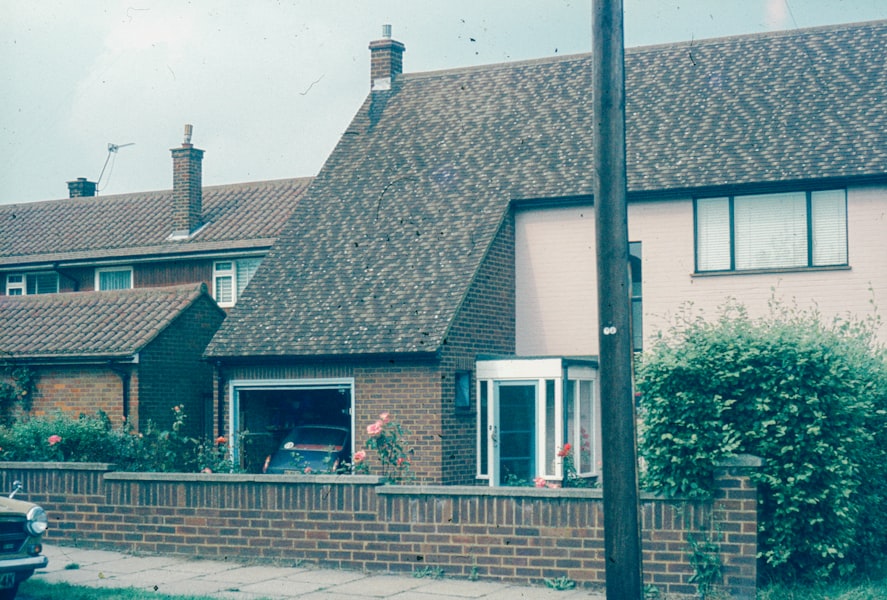
Hearing that your property is "hard to sell" or "a difficult instruction" from an estate agent is unsettling. It can feel like a verdict. But what does it actually mean — and is it necessarily true? Sometimes agents are right and there is a genuine challenge to navigate. Sometimes they are giving you a convenient excuse for their own inability to sell. Understanding the difference is important.
What Do Agents Mean by "Hard to Sell"?
The phrase covers a wide range of situations. It is worth pressing an agent on exactly what they mean, because the solution depends entirely on the specific reason.
Legitimate Reasons a Property May Be Harder to Sell
Non-standard construction
Properties built from concrete, steel frame, timber frame, or unusual materials can be difficult to finance through mainstream lenders. This restricts the buyer pool to cash buyers, investors, and buyers who qualify for specialist mortgages. Not a reason to despair — but it means targeting the right buyers is more important than with a standard brick-built property.
Short or unusual leasehold
Flats with fewer than 80 years remaining on the lease face real difficulties. Many lenders will not lend on short leases, and buyers who understand leasehold will factor in the cost of extension. Properties with unusual leasehold structures (complex service charges, poorly managed freeholders, absent landlords) also face challenges.
Unusual location characteristics
Properties very close to electricity pylons, near an active quarry, on a flight path, backing onto industrial premises, or in a flood zone all face a reduced buyer pool. These are real constraints on who will want to live there.
Unusual layout or configuration
A single-bedroom property that cannot practically be extended, a flat on the upper floors of a building with no lift, or a property with a very unusual internal layout may appeal to a narrower group of buyers.
Condition
Properties in significant disrepair — needing a new roof, complete rewiring, structural work — put off mainstream owner-occupier buyers who cannot or do not want to take on a project. They are not unsellable, but they need the right marketing to reach buyers who do want a project.
Tenanted
A property with sitting tenants limits the buyer pool to landlords and investors. Most mainstream buyers want to move in themselves.
Title or legal complications
Flying freeholds, rights of way disputes, absent freeholders, ransom strips, complex ownership structures — these can make solicitors and buyers nervous, causing sales to fall through even when the initial viewing interest is high.
Less Legitimate Reasons Agents Say "Hard to Sell"
Not every agent who uses this phrase is identifying a genuine problem. Sometimes it is:
- Covering poor performance: An agent who has not managed to sell the property may prefer to blame the property than their own marketing
- Managing down expectations before suggesting a price reduction they wanted to propose from the start
- Lacking specialist knowledge: An agent unfamiliar with non-standard property, rural property, or leasehold complications may find it "hard" because they simply do not know how to market it effectively
The difference between a genuinely difficult property and a property that requires specialist handling is significant. The former is a challenge for everyone; the latter is only a challenge for the wrong agent.
Don't accept a single agent's assessment as definitive
One agent saying your property is hard to sell means one agent's opinion. Get at least two or three assessments from agents with relevant experience before drawing conclusions. And when you do consult agents, ask them specifically what they have sold that is similar to your property, and how they sold it. General experience with "difficult properties" is less useful than specific experience with your type of property.
Getting a Second Opinion
If you have been told your property is hard to sell, the first practical step is to get a second (and third) opinion.
Who to Ask
- Two or three other high-street agents in your area: Not just for their valuation, but for their honest assessment of the challenges and their proposed strategy
- An agent specialising in your property type: If your property is a listed building, there are agents who specialise specifically in these. If it is a rural property, local agricultural agents may be better placed than a town-centre generalist.
- An online estate agent: Online agents typically offer lower fees and may take a more data-driven approach to valuation and marketing
What to Ask Them
When you speak to alternative agents, ask:
- "Have you sold properties similar to mine before?"
- "What would you do differently from my current agent?"
- "What price would you realistically expect to achieve, and in what timeframe?"
- "Do you have existing buyers on your register who have been looking for something like this?"
Agents with genuine experience of your property type will answer these questions confidently and specifically. Agents who are less certain will give vague, general answers.
Specialist Agents for Difficult Properties
The UK has a well-developed market of specialist agents for almost every property type. If your property has been labelled hard to sell by a generalist agent, a specialist may see it completely differently.
Non-Standard Construction
Agents and surveyors who specifically work with concrete, timber-frame, or steel-frame properties will know exactly how to present them, which lenders to target, and what the realistic pool of buyers looks like.
Rural and Agricultural
Rural property specialists — including agents with RICS Rural Faculty membership and firms like Savills, Knight Frank Rural, Carter Jonas, and many regional specialists — understand rural property, agricultural ties, planning restrictions, and the buyer market for country homes. A rural property listed with an urban high-street agent is often fundamentally mismarketed.
Listed Buildings and Heritage Properties
Listed building specialists understand what buyers of Grade II, Grade II*, and Grade I listed buildings are looking for. These are often niche markets — buyers who actively seek the character and history of listed buildings — but they exist in meaningful numbers.
Leasehold and Flat Specialists
In complex leasehold situations — particularly in London — some agents specialise in flats with complicated structures, short leases, or unusual tenure arrangements. They have relationships with buyers familiar with these situations.
Auction Specialists
Some firms specialise specifically in auction sales. They will assess honestly whether your property is suited to the auction route and have the marketing expertise and buyer databases to maximise competitive interest.
Alternative Routes to Sale
If conventional estate agency is not working, there are well-established alternative routes.
Modern Method of Auction (MMA)
MMA has grown significantly in popularity over recent years. Your property is listed on an auction platform (often run through an estate agent in partnership with a specialist), buyers bid online, and the winning bidder pays a non-refundable reservation fee. This creates commitment from the buyer at an early stage.
MMA works well for properties with genuine appeal to investors or buyers who are not deterred by unusual characteristics. The 56-day completion window is slightly more accessible for mortgaged buyers than traditional auction's 28-day requirement.
Traditional Property Auction
For genuinely unusual properties — particularly those with construction issues, short leases, or significant condition problems — traditional auction can produce a sale where conventional marketing has failed. The auction room (or online equivalent) concentrates interested buyers on a single day, creating competitive pressure that can drive prices above what private treaty negotiations achieve.
Properties that sit on the market for six months and are then auctioned with a realistic guide price frequently sell at auction. The guide price must be genuinely realistic — setting it too high defeats the purpose.
Auction costs typically include:
- Seller's entry fee: £300–1,000
- Seller's commission: 2–3% of sale price (varies by auctioneer)
- Legal pack preparation: £500–1,500
Cash Buyer Companies
For properties that are genuinely difficult — perhaps with structural issues, legal complications, or urgent time pressure — specialist cash buying companies will purchase at a discount. Typical offers are 75–85% of market value, sometimes less for very problematic properties.
This is a significant discount, and it should not be the first option considered. But for sellers who have exhausted conventional routes, who face time pressure (financial difficulty, probate, relocation), or whose property has a problem that cannot practically be resolved, a quick cash sale may be the best available outcome.
Key considerations when using a cash buyer:
- Look for membership of the National Association of Property Buyers (NAPB) — a basic quality benchmark
- Get more than one offer — cash buyer company prices vary
- Instruct your own solicitor to review the transaction independently
- Understand exactly what costs will be deducted before you receive the net proceeds
Sell your property
Need to sell a hard-to-sell property?
SellTo helps UK homeowners sell any property quickly — cash purchase or auction, no fees to you, and a straightforward process. Get a free, no-obligation offer.
Get a free cash offer →We may earn a commission if you use this service. Affiliate disclosure
Understand your specific buyer pool
Every property has a buyer — the question is whether the marketing is reaching them. A concrete construction ex-council flat in the Midlands is not going to be bought by a first-time buyer with a Help to Buy mortgage, but it might be exactly what a cash investor looking for a buy-to-let is looking for. A property that seems stuck in conventional marketing is sometimes simply being shown to the wrong people.
Understanding Your Local Market
Before deciding what to do, it is worth investing time in understanding your local market in detail.
- Look at Rightmove sold prices for your road, your street, your area — what have similar properties actually achieved?
- Check how long similar properties have taken to sell — some markets are simply slow; a long marketing period may reflect the area, not your specific property
- Talk to local surveyors — they see a lot of properties and have a clear view of what is selling and at what price
- Check whether comparable properties have withdrawn and re-listed — if several similar properties in your area have done this, the market conditions (not just your property) may be contributing to slow sales
Fixing the Problem vs. Finding the Right Buyer
For every "difficult" property, there is a decision to make: invest in fixing the issue (extending the lease, resolving a title problem, carrying out structural works) or find a buyer who accepts the property as it is at an appropriate price.
Sometimes fixing the issue is clearly the right answer — a lease extension from 65 years to 125 years adds more value than it costs and transforms the saleability of a flat. Sometimes it is not — carrying out £50,000 of structural works on a property where you would only recover £30,000 of that in the sale price is not rational.
The calculus depends on:
- The cost of remediation
- The likely impact on sale price and saleability
- How urgently you need to sell
- Whether you have the capital to invest in improvements upfront
The Bottom Line
An estate agent telling you a property is hard to sell is the beginning of a conversation, not the end of one. The right response is to understand precisely why it is difficult, get independent views from specialist agents, and assess all the routes available — from conventional re-marketing to specialist agents to auction to cash sale.
Most properties can be sold. The question is always: at what price, through what route, and in what timeframe?
Specialist brokers
Brokers who handle hard to sell or unusual property
These services are free to use — the lender pays them, not you. We may earn a commission if you use their services.
Habito
Digital-first, all situations — 90+ lenders
John Charcol
Established whole-of-market broker since 1974
Boon Brokers
Fee-free broker, all situations including adverse credit
All brokers presented equally. Not a personal recommendation. Affiliate disclosure
This is educational content, not financial advice. Your situation is unique — speak to a qualified estate agent and, where relevant, a solicitor before making any decisions.
Related reading
Property That Won't Sell: What to Do After 6+ Months on the Market
Why properties sit on the market for 6+ months and what to do about it. Overpricing, poor marketing, property issues, relisting strategies, auction, and cash buyer options.

Your Buyer's Mortgage Has Been Refused: What It Means for You as a Seller
What to do when a buyer's mortgage is refused on your property. Understanding the specific reason, whether to fix it or find a different buyer, and when cash buyers or auction are the answer.

What to Do When a Property Chain Collapses
Why property chains fail (29.8% fail rate), what to do when yours collapses, and your options: cash buyers, Modern Method of Auction, bridging finance, and reservation agreements.

Non-Standard Construction Mortgages: What Counts and Who Lends?
UK guide to mortgages on non-standard construction homes. Timber frame, concrete, PRC, thatched — which lenders accept what and what surveys you need.
Not sure about your mortgage options?
Find out your options — whether it's your circumstances or your property holding you back. Free, no judgement, no cold calls.
Get my free results